
What does it take to survive what should have killed you and come back stronger? In this live episode of the I Love Being Sober Podcast, recorded in front of an audience at Camelback Recovery’s outpatient treatment center in Scottsdale, Arizona, host Tim Westbrook sits down with speaker, coach, and author Kevin J. Parker.
Born into generational addiction and trauma, Kevin spent four months in a hospital fighting for his life. He flatlined three times, a priest read his last rites, and he lost his leg to addiction. Doctors said he would never walk again. Two weeks later he took his first steps, two months after that he was running, and he has since run an eight-minute mile on a prosthetic leg.
Kevin shares how he traded a victim identity for radical responsibility, why forgiving himself was the hardest and most freeing work of his life, the daily discipline that keeps him grounded, and how serving others became the foundation of his purpose. For anyone navigating addiction recovery, sobriety, or mental health in Phoenix, Scottsdale, or anywhere along the way, this conversation is living proof that rock bottom can be a firm foundation. Kevin is the founder of True Warrior Success and the author of Winning Against All Odds: Discovering the True Warrior Within.
—
Watch the episode here
Listen to the podcast here
Reclaiming Your Identity After Addiction: Turning Rock Bottom Into True Purpose
A speaker and author who flatlined three times, lost his leg to addiction, and was told he’d never walk again shares how he rebuilt his identity, his body, and his purpose one small win at a time.
Overcoming Generational Trauma And Early Addiction
Welcome back to the show. I’m sitting down with Kevin Parker. Kevin is the speaker, coach, and founder of True Warrior Success, where he helps individuals and organizations reach their full potential. He leads with discipline, integrity, and hard-won real-world experience. His own story is proof of what he teaches. Kevin spent four months in a hospital fighting for his life. He lost a leg to addiction. He took that adversity and turned it into strength, purpose, and a mission to help other people do the same. He’s also the author of Winning Against All Odds. Kevin, welcome to the show.
It’s a pleasure to be here. I’m super excited.
So am I. We’ve been working on getting you here for a minute. I’m really excited to hear your story and have them hear your story because I know you only have one leg. You’re lucky because they said you were not going to have any arms or any legs. They said you were going to have nothing, right?
This is a blessing.
Take us back. For someone who does not know your story yet, where did addiction take you and what led to those four months in the hospital?
Addiction started way before my life even started. My mother and father were both alcoholics, and addiction ran rampant in my family. Before I was even born, I was born into generational addiction and trauma and all those things. Six months ago, my mother and father broke up, and my father was in crime, and he did a few different things that I will not get into. I do not even remember my family being together, and at two years old, my mother moved in with my stepfather. He had a son my age.
Unfortunately, at two years old, he got attacked by a wolf, which completely ripped up his face, tore his scalp off, and ripped his ear off. As we all know, we hurt people. He was twice my size of me and he never missed an opportunity to remind me that I didn’t belong, that I was not worthy, that I was not loved. Through the process of being young, I was physically, mentally, emotionally, and sexually abused. It really had an impact on me.
I remember at five years old, I was suicidal. I would say to my parents, “I do not want to be here. I want to die.” They’d say, “Do not you say that.” I’d say, “I’m not going to say that.” I just stuffed it. When I got the opportunity to numb myself with drugs and alcohol, I took it. Even before that, it was pornography. I didn’t even realize that was a negative thing that could affect you. I was just numbing and dissociating and doing everything I could to hide that pain. I felt like a victim for many years of my life. This started periodically getting worse and worse as I got older.
When do you recall when you first started numbing?
I was about nine years old. I remember I saw something in the ashtray that shouldn’t have been there. I picked it up, and I smoked it, and I was like, “Wow.” The kids in the neighborhood were in a really rough neighborhood, got involved with the wrong people, and that brother of mine would physically abuse me. He introduced me to the wrong people. He said, “Try this drink. Try this smoke.” It completely changed me and numbed me and made me feel different. At nine years old, it started.
That’s the environment you were in. That’s the environment you grew up in.
I remember. My parents were only in their twenties. Now, looking back in my 40s, I’m like, they were just kids. I thought they were adults and they knew everything, and everything was situated. They were just trying to figure it out. They had three kids. My stepfather was going through a divorce. My mom was going through her own stuff. They were both drinking. They were both medicating themselves. They did the best they could. In hindsight, they did a good job.
As a kid, everything seems so devastating. Especially if you do not communicate your feelings and what you’re going through, and you stuff it, and you try to deal with it with the comprehension of a five-year-old, you’re obviously not going to get coping mechanisms. Your identity is going to be really broken and ruined for the progression of your life. I went through it as a victim, feeling unworthy, feeling unloved, feeling hopeless. It really had major effects moving through my life.
Did you learn to become a victim?
Yes. My stepbrother was. This was really a lot of where my trauma came from. My brother, who got attacked by the wolf at a very young age, was very hurt inside. He was always the biggest kid, and I was always the smallest kid. Because he got hurt, if something went wrong or he did something wrong, they would forgive him, or like they would catch him if he fell because they felt guilt and shame because that happened to him. They want to make his life a little easier. When you do not get the responsibility, when you do not get the repercussions of your actions, you do not learn.
He would beat me up. He’d steal my toys. He’d take my stuff. He’d steal food off my plate, anything for him to feel better. There were no ramifications for what he did. I felt like a victim because no matter what I did or how I was attacked at that moment, there was no retribution for it or anything. There were no consequences. It just continued and continued. I felt really unsafe and helpless and hopeless. There was nobody coming to save me. I was in the house with my mom. She was going through her own things, and whatever he did was fine. I had to eat it. I was stuffed into the corner for many years.
What’s the reward for being a victim? I’ve never thought about it like this before, but I grew up, and I was a victim. I look at it, my grandfather was a victim. That’s where I got it from. It was pretty quick. I think I got over it pretty young. We learn. There’s a reward. There’s a reason why you’re a victim. What was the reward for being a victim?
There are a few rewards. When you’re a victim, poor me, some people
reach out and be like, “Are you okay? Is everything all right?” You get attention. That’s one of the things. The second one indirectly is you have an excuse to not excel, to not try, to not give your best effort because you’re like, “I’m doomed to fail. I have a disadvantage. I can use it as an excuse why I’m not being successful, why I’m not thriving, why I’m not pushing extra. I already started as a failure, so why do I need to try?” It gives you a cop-out for why you didn’t excel at life in whatever area that is.
You don't have to stay trapped in generational patterns when you choose recovery. Share on XYou do not have to take responsibility.
I love the word responsibility. People think it’s like an obligation. If you look at the word responsibility, the ability to respond, it’s actually a superpower when you start taking responsibility for your life because you’re jumping in the driver’s seat of the car instead of being in the passenger seat and letting life take you wherever it wants to go.
What is it actually like to lose a leg to addiction? What do you want people to understand about that?
Trading The Victim Identity For Radical Responsibility
People talk about hitting rock bottom, me being an athlete. I was an athlete my whole life. I played baseball and football. I was always in good shape. Taking away one of the biggest things that was my identity was being athletic and being able to perform at an elite level. It was really humbling. I was blessed because I was supposed to lose all four of my limbs, and I only lost one leg. Even in the hospital, they were like, “We’re going to have to take your leg, or you’re going to die.” I was on so much medication. I’m like, “Take my leg. All my bad luck was in that foot anyway.”
The realization when the nurses actually picked up the sheets and my leg was gone, I was like, “This is my life. This is reality.” I was like, “What am I going to do for the rest of my life? What am I going to do for money? What woman’s going to want to marry a man with one leg when billions are walking around with two?” Immediately you have an identity crisis. It’s really like a metaphor for a lot of people because although most people do not lose their leg in addiction, they may lose their kids, they may lose their job, they may lose their freedom. Your identity is attacked in a way, and you’re never the same. I actually see it as a blessing because it’s a constant reminder when I put my leg on every morning that I’m still here, that I’m still alive, that I have a second chance.
It reminds me of my old stinking thinking of where I was and how far I’ve come. Although I have to put my leg on before I take a step, I had a second chance at life. It’s a constant reminder of that. I’m grateful for it. There are times I’m like, “This sucks.” It also challenges me because things are a little harder now. When I accomplish something, I’m like, “I’m a real champion. I’m a warrior. I can overcome anything. If I could do this. What else could stop me?” That’s why I love higher power. It’s so powerful. If you can transmute all your bad things into good, you’re really unstoppable.
Tell us the story about when you were in the hospital when you died like four times. They were talking about you. They were basically saying that you were not going to make it. I want the audience to hear that story.
Three times they flatlined. They got so bad. They had a priest come in.
What happened leading up to it? How did you land in the hospital?
That’s a good start. Let’s do that. I lost everything. I was in an apartment. I was homeless. My dad took me in for six months. I was not doing good. I was nodding out and doing badly. One day they did an unprofessional intervention. We know how that went. They woke me up at 7:00 in the morning. Like, “You need to go to treatment right now for two years, or you’ve got to get out.” I’m wiping sleep out of my eyes. I’m like, “What?” I’m like, “I’m leaving. I’m gone.” I packed up my book bag, threw it on, took my safe, and threw it on my shoulder. I said, “What the heck with you guys? I’m out of here.”
I stormed to my best friend’s about half a mile away with tears running down my face as I showed them. When I got to my friend’s house, I said, “My father hates me. My mom does not love me. I have nowhere to go. Can you let me stay here?” She’s like, “You’re a sweetheart. You could stay here as long as you want.” She cooked me a bowl of macaroni and cheese that night. It should have been the last meal of my life because everybody woke up that morning except for me. They found me face-first in my vomit and completely unresponsive in the morning.
They rushed me to the hospital, and I spent the next three weeks in a coma fighting for my life. That’s how it started. In that process, I flatlined three times. It got so bad. They had a priest come in and read me my last rites. My friends and family lined up to say their goodbyes right before they were about to pull the plug. Nothing short of a miracle. I just woke up. When I woke up, the doctor was like, “This is crazy. This is not supposed to be happening right now. This does not make any sense. Telling my parents, do not get too excited. This is an anomaly. I do not know why he’s up.
We were about to give up.” They’re like, “Do not get too excited. He’s not going to make it through the night.” If he survives through the night, he’s going to be a complete vegetable. He’s going to lose all four of his limbs. He’s going to be completely brain dead. I had multi-organ failure. My liver, kidneys, lungs, heart, and brain completely shut down. I had a 108 fever. My brain was frying me under ice blankets. I had sepsis in my blood. My blood was toxic to my body. I was on 24-hour dialysis. I was 100 pounds soaking wet.
Finding Hope In The Middle Of Life Threatening Circumstances
I had gangrene in all four of my limbs. I couldn’t even talk to my family. I had tubes in my throat, tubes in my lungs. It was just astronomical, the idea that I was even going to make it. I kept hearing them, and they’re like, “You’re saying that I’m brain dead. I can understand every word you’re saying.” I had tubes in my throat. I couldn’t even tell them, “Stop talking death over me. I’m here. I hear everything you say, and I’m going to make it through.” It was really scary for a medical professional to be speaking so much death over you because you think that they know more than you. I’m like, “I’m here to fight. There’s no way I made it through that. I’m going through this.”
I was really struggling. I used to try to communicate with people because I had tubes in my throat like this. That was the only sound that I could make. It’s like I was trying to let them know, and I didn’t drink anything for like three months. My mouth was super dry. It didn’t even make that good of a sound. I couldn’t move my arms or legs. I’m just stuck here. I’m like, “Man, I cannot wait to tell these people off and all the debt that they’re speaking over me right now. I can actually make some noise with my mouth.” It was tough, man. It was so many nights.
I see we have a question over here. We’re going to, we’ll say we’ll save some time for questions at the end. Hold on to that question. How long did it take before they actually realized that you were there and that you could hear them and that you could understand what they were saying?
I was really out of it because of all of those complications. It happened slowly but surely. There were some really intuitive nurses because the doctors were like, “He’s brain dead.” They were telling my parents that. My mom’s like crying. She’s like, “He’s not going to remember who I am.” One of the nurses looks at her, and she’s like, “He’s fine. Hear that noise that he’s making? That’s him asking for pain meds because he’s in so much pain.” My mom was like, “Okay.” She’s like, “Can you hear me?” I am like, “Chum chum.”
She’s like, “Thank God.” It took a few weeks. I had to learn how to breathe again. They put me on a breathing machine. They had me in the vent unit. I was in the ICU for about a month, and then they put me in the vent unit, and they would lower the oxygen low enough that I’d struggle for each and every single breath. High enough, I would not die. It felt like being waterboarded for like three weeks. That was probably the most torturous experience of the whole situation. Not being able to breathe for weeks on end is terrifying. It’s exhausting.
It was the only way that they could strengthen my lungs strong enough because I aspirated and I swallowed all this drip. They cut out a piece of my lung. There was no other way. It was just really bad. At that same time they had 24-hour dialysis. I was on dialysis because my liver and kidneys were not filtering my blood. My blood was toxic to my body. There were just so many things working together. What was crazy was I was in such bad shape. They left my eyes open because they were not even worried about my vision. They were like, “Let’s just keep this person alive.” They couldn’t even move me.
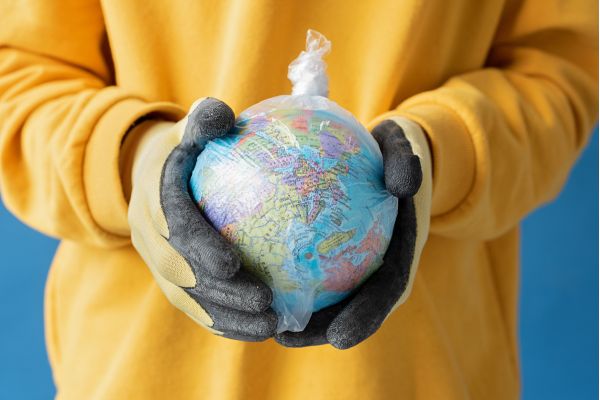
Addiction Recovery Mindset: Real strength starts when you stop making excuses and take responsibility for your future.
Wait, what do you mean they kept your eyes open? What does that mean?
When I was in the coma, my eyes were wide open. Instead of them closing my eyes, closing them, however they could do it because they could do that. They were not even concerned about that because they were so worried about all the actual stuff that was keeping me alive. They had me on pressers that kept the blood flow to my organs. I developed edema in my limbs. That’s how I developed gangrene. They were just so worried about me.
I was in such bad shape. They couldn’t even shift me. If they had, I would have died. I developed bed sores all down my back and on my butt. I have a big, huge scar on the back of my head. I lost half of my glute muscle on my left side because they couldn’t move me. I developed these bed sores that turned to abscesses, and that became even more complications on top of the complications I beat.
Tell me about the journey back. What was that recovery like? Because you’re a drug addict and you need to get sober, you’ve got all these other health issues, physical issues. It’s a long journey. Tell me about that journey back.
The four months in the hospital were as humbling as it was and how devastating it was. It was actually rocket fuel to show me that I could do this. The things that I overcame in the hospital were like, they used to call me the miracle boy. They’re like, “There’s no other person that could do this. This is crazy. You’re a miracle that you actually survived this.” It was so challenging. Although the physical things were difficult, I’ll explain them here. They told me it was going to take two years to learn how to walk when I went to the prosthesis and I got out of the hospital. I was so mad and so frustrated with that answer.
I wheeled out of that office about as fast as you can wheel out in the state that I was in, and I was determined to get this right. I went every single minute. I was focusing on getting up and trying to walk. Two weeks later, I walked in completely unassisted. I was hearing all these stories about how I was smoking crack and all this crazy stuff, and, like all these, the game of telephone. Two months after I got out, I posted a video of me running. Imagine that, they tell you it’s going to take you two years to learn how to walk. You’re running in two months. What this taught me is do not ever let anybody ever tell you what you can or cannot do.
Your only limitations are your mindset and your faith. You can literally do anything if you get those two things. On top of that, I was a righty. I used to do everything with my right hand. I had a complete drop wrist in my hand. The doctor and neurologist said, you’re never going to be able to move your hand again. I said, “You do not know me. Do not tell me what I’m going to do. I’m going to show you.” I went home, and I talked to my hand for nine months straight. It didn’t move for nine months. It was frustrating. My family thought I was losing my mind. They’re like, “It’s okay if it does not come back. You’re alive.” I’m like, “The heck with that. I’m doing this. Come on, we’re doing this. There’s a whole life move.”
One day after nine months, talking to my hand like a crazy person, my finger wiggled. I was like, “That’s all I need to know. A little glimmer, a little speck of hope to get my hand and my movement and everything like that.” I tell you these things because although that’s difficult, the physical part was difficult. I want to empathize with everyone here. The social, mental, and emotional stress was even harder because you get out of this situation and you realize that you spent years of your life pouring into relationships that they’re not really your friends.
The people that you used with, that you were copying with, you spent all your attention, all your energy into investing in these people. They’re in the same addiction. They’re in the same selfishness. They do not really care about you. If you move yourself away from the use and the buying and everything, you’re not valuable to them. I wasn’t pouring into rich relationships. I got out. I had no friends. I had no dignity, no respect, no identity. I could barely move my hand. I couldn’t walk. I’m missing a leg. I cannot see out of one eye. I lost my job.
I do not know how to talk to people because I’ve been stuck to my teeth for four months. I have no social skills. I used to hang out at drug parties and bars. I didn’t even know where to meet people and start sharpening those skills. My girlfriend broke up with me the day that I got home. I found out she’s sleeping with everybody in the neighborhood, including my friends. She told me we’re going to get married. She’s like, “I cannot wait to lay in bed with you and love you.” First day I get home, she broke up with me. I find out through the grapevine she’s having sex with my friend.
She’s out in the bar doing crazy stuff. She lost her mind. I know it was a really hard thing, but when I was in the hospital, I was like, “I understand if you cannot do this. I get it.” She’s like, “Are you crazy? I’m here for you.” I find out the truth, and it was really heartbreaking because I was like, “I have this girl that actually cares about me. I lost my leg. My confidence is shot. I have a good woman.” I find that it was a little nonsense. Not only that, but I was humiliated. The so-called friends that I had were doing things to my girl while I was dying in the hospital.
There were just so many things, but I had to just throw all that away and find a new identity in who I was. It was the best thing that ever happened because rock bottom is a firm foundation for a new launch path to project yourself in ways that you couldn’t even imagine. When you’re stripped away of all that false bravado, you’re taking away all the stuff, all the toxic personality traits, and you get to figure out who you truly are. I’m not trying to impress anybody. I have no friends now. I’m not trying to impress anybody. I’m trying to figure out who I am, what I like to do.
To be honest, from 10 years old to 25, I didn’t know what I liked. I did what other people liked. I did what was expected of me. I did what the drugs and that environment were leading me to, but for the first time in my life, I got to figure out who Kevin was. What actually made me happy, actually fulfilled me, what actually gave me real dopamine hits instead of the fast ones. It was a really beautiful experience of self-discovery and figuring out what really gave me purpose and gave me drive and made me happy and gave me fulfillment.
I like what you’re talking about. People were telling you that you’re never going to be able to move your hand. You’re never going to be able to walk again. You’re going to be a vegetable, and that just speaks to, I mean, you have doctors that have these opinions. They just have opinions, and really what it comes down to is not what it comes down to. One of the things, in my opinion anyway, is if you believe you’re going to heal, you’re going to heal. If you believe you’re not an addict, guess what? You’re not an addict. If you believe that you’re healthy and fit, if you believe that you’re a good person, these are all the things that, if you believe, then those are the things that actually happen. Whatever you believe, whether it’s good or bad, it’s true.
I have the same exact philosophy. That’s exactly why I named my book, Winning Against All Odds: Discovering The True Warrior Within, because that positive affirmation and creating that identity, knowing that no matter what is in front of me, no matter what the obstacle is, I’m going to find a way around it, over it, or through it. There’s no way that I’m not coming out victorious. Although I have one leg, I do things that people with two legs cannot even do.
I’m climbing up hiking trails and Cathedral Rock. I’m climbing up mountains. People are camped up on the side of the thing, giving up. I’m just chugging along, and they’re like, because this guy could do it. I can do it. There’s literally nothing. I jump out of airplanes. Even if part of my gym is where I go to, I hit the bag for ten minutes. People are like, “How do you do that?” I was like, “How do I not do that? How am I going to allow something to inhibit me from doing what I truly desire and feel passionate about? When there’s a will, there’s a way.”
If you positively affirm yourself and its incantations, if you consistently say these things through subconscious programming and neuro-linguistic programming, you can create that willpower. You can create that identity and that drive and that purpose. The world is an oyster, and it’s a beautiful masterpiece, and you’re the artist. You get to design whatever you want. If you say you can or you say you cannot, you’re right. True. Whatever you say is the truth.
When I did Ironman a while back, and I remember the year 2015, I went, and I watched my friend Walter do Ironman. At that time, I didn’t run, bike, or swim. Forget about it. Forget it, but I remember going to this Ironman event, and there were people with missing arms, missing legs. They’re old, they’re fat, they’re skinny, and all these people are doing Ironman. I’m just like, “I can do this.” I would say that you’re inspirational doing what you do, showing people that anything is possible. Someone who is on their road to recovery, they’re just getting started. What are the first things that you did to get yourself on the right path?
What I did and what I think works universally for everyone is stacking small wins. Keeping the promises that you make to yourself because that’s what real confidence is. It’s not about looking in the mirror and being like, “You’re handsome, or you’re beautiful.” That’s not it. That’s not confidence. Confidence is making a promise to yourself and then following through on it. Once you know that you can trust yourself, that you can believe that if you say you’re going to do something, you’re going to do it, you start building an identity of strength, of power, of integrity, of willpower. Once you build that identity, you start creating a comfort circle or a place of growth that just gets bigger and stronger and more able and capable.
Even when medical odds aren't in your favor, your faith and mindset can push you forward. Share on XYou’ve got to start with the little wins. When I got out of the hospital, it took me half an hour to get up a flight of stairs. I’m holding on. People are carrying me up. Now I can run upstairs, but it started with one step. That’s why even the programs are like, take it one day at a time. It’s true. If you look at the mountain and you’re like, “That’s a really tall mountain. You’re not going to be able to climb it.” If you say, “That step right there, I could do that.” Get that one step and start creating habits in your life and start creating rituals in your life that create a system and start building these skills.
When I set my alarm clock for 4:00 AM, I wake up at 4:00 AM. If I snoozed my alarm in the morning, I immediately failed. I’m like, “I already broke the first promise of the day. It’s 4.15. Now I’m late. I get up. I start praying. I do my meditation. I get to the gym by 4.30. I’m in the gym for an hour, an hour and a half. I’m just starting my day.” That’s another thing that I love about recovery. It’s super powerful. Bookending your days because it’s the only time of your day that you have complete control of how you wake up and how you go to bed.
Because in the middle of the day, crazy stuff can happen. It’s Arizona. It’s hot. People can get mean and nasty and cut you off. In the morning, you can create a ritual that can start your day with success. Do not pick up the phone. Go do your meditation or prayer or breath work or whatever that centers you and grounds you. Look at your intentions for the day. Start intentionally. Do not let the day take care of you. You take care of the day. That’s where I started doing it.
I started stacking wins that I had control over because in the beginning, I didn’t have much control over anything. What I did know is I had control over how I was going to heal. How I was going to keep my focus, how I was going to keep my mindset, and who I was going to surround myself with, what books I was going to read, what actions I was going to take. Once I started building that, the momentum was so powerful.
I even get into it these days because I’m in pain every day of my life. I got hit by a bus when I was eighteen years old. I have a bad neck and back. Now I’m missing a leg. Now I have nerve damage. It can be heavy sometimes. I get into my stinking thinking. Once I gather momentum, I’m like a locomotive. I’m unstoppable. If you’re stagnant, if you’re slow, start gathering a little bit of momentum slowly but surely. Start stacking those wins. Eventually you’ll be flying on the track.
I love it. What was the biggest shift in your life, the single change that made the biggest impact on your recovery?
Building Confidence By Stacking Small Daily Wins
The biggest impact in my recovery, there were so many of them. Knowing that there are people out there that truly do love me. The most important part was when I started to love myself, because I think the hardest person to forgive was myself. Once I was able to forgive myself, I was able to forgive other people. Forgiveness has been such a powerful tool in my life. I remember my stepbrother. He went to jail. He had his own issues because he was struggling. He went to jail, and I went to visit him, and he immediately cried.
He’s like, “Kevin, you’re the last person in the entire world that I would have ever thought was going to come visit me. My own family didn’t come visit me.” He’s crying in an orange jumpsuit. I give him the book, Think and Grow Rich. I’m like, “Listen, man, I forgive you. I was like, I love you. You’re my brother. I care about you. I understand. I get it. I forgive you. I care about you. I’m here for you. Now we have a great relationship.”
Forgiveness. Having anger and resentment towards somebody is like carrying that hot stone in your hand. Be like, “I hope you can feel this burn.” You’re the only person that’s getting burned. They do not even know that you’re feeling all that pain. What’s the point of it? Once you learn how to master letting it go, you free yourself of that. It was a beautiful experience. I found that forgiving myself was the hardest part because I did this to myself.
Forgiveness leads to freedom. If you want to feel good, you have to forgive. What did you have to let go to make that shift stick, like being able to forgive? Do you ever go back to holding on to that anger and resentment for a minute?
I do, occasionally. I wake up every morning when I cannot find my leg. I’m like, “Where’s my leg?” I got a hole in my leg right now. If my leg is underneath something or my wife is moving things around, or sometimes I wake in the middle of the night, I have to go to the bathroom. I have a scooter because I have to get up and go to the bathroom. If the scooter is too far away, I’m like, “Man, now I have to exert energy to go to the bathroom or whatever.” It’s frustrating. There are moments like I have a bad back and neck and everything. I’m like, “I wish I was in pain every single day of my life, but I did it to myself. I realized I do not like to use the word victim of my circumstances.
There was cause and effect. I was a young kid. I was in a situation. I didn’t have the coping skills. It’s okay. I forgive the little kid that made the mistakes that eventually brought me to where I was. I didn’t know any better. I didn’t do it intentionally. I did the best I could with the information and knowledge that I had. That’s all we could do. You could only do the best that you could do. The most important part is learning from your mistakes and growing and becoming better from it. I’ll tell you, I’m probably the biggest failure in this room. I’ve made more mistakes than probably the whole room collectively. The good news is I learned from every mistake. For the most part, I didn’t make the same mistake twice, or at least recently.
That’s what you believe.
That’s what I believe about myself.
Unlocking Healing Through Self Forgiveness
They say life happens for you, not to you. Looking back at all of that adversity that you’ve gone through, are you finally at a place now where it’s, “This all happened for me, and I’m better because of all these challenges that I’ve gone through?”
Absolutely, 100%. Everything you ever go through builds the character and the person you are today. Because I struggled with different types of abuse, because I struggled with depression, anxiety, suicidal ideation, and overcoming physical ailments, now I have the skills, tools, and abilities to help someone else who’s going through it, pull them through the fire. The fact that I lost my leg makes me stand out in a room. It gives me a story to inspire and motivate thousands of people. I do not know if my life would have much purpose if I didn’t go through all the struggles and challenges I did.
I do not know if I’d be able to empathize and understand people’s struggles and pains if I didn’t go through what I went through. If I just had, like, a silver spoon in my mouth and walked around like everything was the first time I took a shot, I swished it, I might not have the same compassion and understanding that I have right now. I can go knee-to-knee with anybody and really get into understanding their pain and help them walk through that or at least hold space for them without being judgmental because who am I to judge? I’ve done some stupid things in my life.
I have the scars and trophies to prove it. I wrote a book. I spoke at over 100 schools to kids. If everything I went through saves one person, then everything I went through was all worth it. I’ve helped hundreds and hundreds of people overcome addiction and get through mental health issues and help walk people off the edge like they were right at the end, about to give up. They like, “Because of you, I kept going.”
I would have never had that purpose and fulfillment in my life if I didn’t go through all the crappy things that I did. I’ve dealt with a lot of really successful clients. People cry just as hard in a Ferrari as they do on the streets. Money, if it’s not used the right way, cannot buy you happiness. It really comes from within. It can be a tool to help you solve problems and stuff like that. If you do not have the tools. If you were just given it, you weren’t earning it. The joy and the happiness are about the journey.
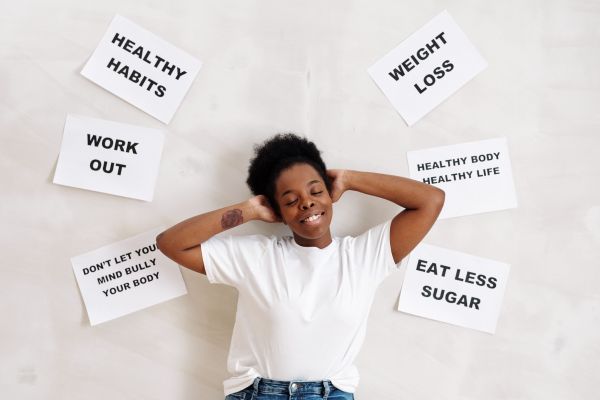
Addiction Recovery Mindset: Confidence isn’t about how you look. It’s about keeping the small promises you make to yourself every day.
It’s about the things that you overcame. I know people that built businesses, and they’re like, “I missed the days that I was trying to struggle and figure it out, and like you would hit a victory.” Because once you achieve any of your goals, there’s a certain dopamine spike and then it goes back down to your homeostatic regulatory level. You’re searching for a goal, you’re getting excited, you hit a goal, boom, and then it drops again. The pure joy really comes from the journey of who you become getting to that goal. Once you hit the goal, you have to go find another goal. It’s not about the destination.
What was the hardest obstacle you had to overcome to build the life you’re living today?
It was self-doubt. It was really identity issues because I have a deep-seated personality, and I still struggle with it today, of unworthiness. It doesn’t matter if a thousand people say, “You’re freaking awesome, Kevin. You’re the best.” I’m still inside, I’m like, “I’m not good enough. I’m unworthy. I do not deserve it. I’ve always taken the crappy end of the stick.” I have difficulty looking out for myself, number one.
As opposed to, I give more than I’m comfortable with, because I have a deep-seated issue with unworthiness. That’s something I work with every day, and I continue to grow in that process. As I get further and further in my journey, it starts chipping away at a little one at a time. Eventually, hopefully by the end of my life, I’ll be like, “I am worthy, and I do deserve, and I’m awesome.”
That’s one of my affirmations every day. How did you find your purpose, and how did helping other people become part of your own recovery help?
Your purpose is the thing that you struggle through with your journey. It’s the cross between what you’re good at, what you went through in your experience, and how you can serve other people. My experiences are my strengths and abilities of what I can do in my life. You’re more qualified to help the person that you used to be. Would you take instructions from somebody on how to cook a steak that never turned on a grill? They need to be able to have been through it to be able to speak about something.
I do not care what day I have, whether I have a good day, a bad day, an ugly day, or whatever day. It’s still an awesome day because either it was a good day and I had a great experience, or it was a bad day and I learned something. It just added another layer of who I am, another skill, another ability, another layer of resilience. The things that you went through are really tied into your purpose because that’s the whole experience of your life that you had.
Tell us about True Warrior Success. Who do you work with and what are you trying to give them?
True Warrior Success is really helping people find their true passion and what their identity is and what their calling and purpose is in life. I specifically work with people in addiction because that’s who I am, that’s who I was, that’s who I’m more qualified to help. I like working with people in addiction and alcoholism and mental health because they’re some of the most creative, resourceful people in the world. When you had no money, and you needed the cop, you figured it out.
If you could just take that energy and refocus it and redirect it to something amazing and purposeful and passionate, the sky’s the limit. Your problem is you’ve just been finding your connection with a synthetic form of dopamine. You’ve been using all your skills, all your resources, just pointing it in the wrong direction. My job in True Warrior Success is to tell you that you are a true warrior, that you have success. You are good at what you do. You just need to refocus.
Forgiving yourself isn't easy, but it's the most freeing choice you'll ever make in recovery. Share on XYou have a focus problem and an identity problem. I like working with people and awakening the identity of a true warrior inside them because we all have it. We all have innate skills and abilities that are given from God and this world and this universe that are inherent and that you are amazing at. Going through that process of uncovering what that is is a really beautiful experience. I like to really evoke people’s greatness because if I could do something awesome, anybody can.
You leave with discipline and integrity. For someone in early recovery, what does a disciplined day actually look like?
A disciplined day is doing things. I do not have it on my phone because I broke my phone. I was telling you guys earlier. I had it on my iPhone. On my phone, you say, “I do it anyway?” There are things that you do not want to do. In fact, the things that you do not want to do are usually the things that you should do. I do not want to wake up at 4:00 AM, but I should. I do not want to go to the gym every day, but I should.
I do not want to go do cold plunges every single day. I’m telling you, after you get out of that cold plunge, you’re really grateful that you did it. The things that are the hardest are the things that make your life easy. You have got to choose your hard. Either you sit on the couch and eat bonbons and do drugs, and that’s easy, but it leads to a hard life. If you do the hard things up front, like waking up, keeping your promises, doing the hard work, the grinding, it leads to an easy life.
Discipline is about doing the things that you do not want to do to live the life that you truly want to live. Integrity is being able to look yourself in the mirror every single day saying, “I love that person. I trust that person.” Even when people are not looking, knowing that you’re doing the right thing, because how you do one thing is how you do everything.
What do you do now every day to stay grounded and keep moving forward?
For me, staying connected to God and praying and meditating are absolutely pivotal. I have to wake up in the morning with gratitude. I get into gratitude. I get into prayer. I get into meditation. For me, I also have to get my body moving because I’m going to be 40 in two months. If I do not stop using it, I’m going to lose it. I need to get some form of activity in and push myself physically. Also taking care of my health because my health is a challenge at this point.
If I do not take care of my health, nobody will. If you feel good physically, mentally, emotionally, and spiritually, the rest follows. Keeping disciplined in those areas and having non-negotiables, like I do not eat garbage food anymore because if you eat junk, you’re going to feel like a junkie. Also physiologically, if you’re splurging and you’re stagnant and you’re not getting any exercise, you could just look at me from my posture and know that I’m depressed. If I got off and I’m like this and I’m all active and energetic, how do you be depressed if you’re active?
Your physiological state creates emotion, creates your mentality. They all intertwine. There are non-negotiables in my life that I have to do. I have to eat, pray, meditate, work out, and connect with somebody every single day because isolation is where addiction festers. If you’re in your house by yourself, there’s nothing good that’s going to come out of that. You need to shed light on that and be connected with other people because we’re social beings.
Redirecting Drive Toward High Impact Goals
For someone that feels like the odds are stacked against them, what do you have to say to them?
Listen, I tell you, if I can do it, anybody can do it. There were at least seven or eight things in my life, just in the hospital, that should have killed me. Every single obstacle in my life that I thought I would not be able to overcome, I found a way. When there’s a will, there’s a way. Muhammad Ali, I do not know the exact quote, but he said, “Impossible is just a big word that little men throw around to give themselves an excuse.” I wish I knew the whole quote, but it’s such a beautiful quote. It’s like, there’s no such thing as impossible.
Impossible is just somebody has not figured out a way or thought of a practical way to make it possible. The word impossible is I’m possible. In the 60s, they had no comprehension that you were going to be able to talk to people from your pocket, because nobody thought about it. In the 1800s, nobody thought that you could fly. Look at us flying. All those things were not, they were impossible until somebody made it possible. People made it by running four-minute miles. That was impossible.
Creating Daily Rituals That Preserve Long Term Sobriety
The body couldn’t do it. There are plenty of people doing it now. You need to get creative, and you need to believe in yourself, and you need to get curious, and you need to have a desire to do it because if you have the strong enough will to do it, you’ll find a way. Even with my body, like I’m missing a leg. I have nerve damage in my hands and feet and everything like that. I ran an eight-minute mile. When I was really working out every day, that’s pretty amazing. Most people with two legs cannot do that.
That’s amazing. You ran an eight-minute mile?
Yes. When I was going to the gym every single day and running with my prosthetic leg.
That’s impressive.
People like, “No way.” It’s like, “Of course I did.” Just being able to run a mile.
Of course you ran an eight. Of course you did. Words are powerful. Michael Burnoff was here. Do you know Michael Burnoff? You should know Michael Burnoff. He’s somebody you should know, and when he was in here, words were powerful. Of course you ran an eight-minute mile. Of course you did.
Of course I did.
Going back to believing in it. If you believe, you can do it. Of course you can do it. I want to open it up to the audience and ask some questions. Here you go.
My name is Devin, a grateful recovery addict and alcoholic. Thank you for your story. Truly a walking testimony. I really like where you said rock bottom is a firm foundation for a new beginning. I wrote down a lot of things that you said right now. I definitely can understand, or not completely relate, but I can relate to the motivation because I had a blood clot in my brain and the left side of my body went paralyzed. They told me I would never walk again and all that. I could definitely understand the motivation to get there. I really would like to read your book, so do I just get that online?
It is on Amazon in paperback and audio if you prefer that. I’d be happy to give a digital copy to anybody that wants it just to help you guys out.
If possible, do you live in the valley?
I live in the East Valley.
If possible, I’d like to get your phone number before you leave. If that’s okay, I just wanted to ask. Was that all due to an overdose?
Yes. I was trying to medicate myself in that intervention. My dad threw out my drugs. I had Lyrica. I wanted to withdraw myself, and I popped a bunch of Lyrica, which is a very dangerous drug for you to do that. Before he threw them out, I didn’t have them. I withdrew from the medication. I had a seizure in my sleep, and I aspirated. It was not the first time that I had a seizure. I had a seizure on a concrete laboring job, pouring concrete.
I had a seizure on a roof, doing roofing one day. I had a seizure at the baseball field in high school. It was not the first time I had a history of having seizures. Plus, I was in a really bad emotional state. I just got kicked out of my house. I cannot really definitively tell, but it was definitely connected to my drug use, whether I got drugs that day or I was going through withdrawals from the Lyrica. Either or it was definitely, I consider it an overdose because I was a hot mess doing everything I got my hands on.
I really appreciate you coming to share. I’ve lost my father to a purposeful overdose. He committed suicide overdose on purpose and then my brother just recently passed away in February from an overdose. I appreciate your motivation and the way you’re speaking, and stuff about how anyone could do it. Before, I was using that as, like, “Poor me, and this and that.” I’m using it as fuel to my fire to continue to want to be better and better. One thing that you said that I really relate to is that recently I was saying I have to do this, like, because I went to treatment in California.
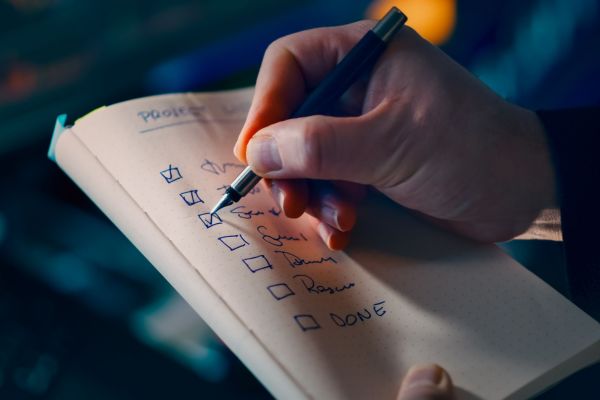
Addiction Recovery Mindset: When you redirect your focus away from toxic habits, you can channel your drive into building something lasting.
I was saying, “Man, I have to come back to Arizona, and I have to get a new community. I have to do this and that.” One of my buddies was like, “Instead of saying you have to, why do not you look at it like you get to. You get to come back to Arizona. You get to be in your family’s life. You get to build a new community.” It’s like what you said. I do not want to do this, but I should do this. It’s definitely relatable. Thank you, bro.
My name is Stephanie. Earlier, you mentioned that you were born into generational trauma, generational alcoholism. I’m not quite sure of your journey in regard to mental health in your recovery. Did you work through that at all? Did you explore that generational trauma, and how did that inform your relationship with your family?
It’s been difficult for me to work with my family through generational trauma, so I didn’t traditionally work through that, but I explored it through NLP and other avenues, EMDR and stuff like that because my father was one of twelve. They were all super poor families. My grandfather was abusive and a drunk, and there was a lot of sexual abuse and things that went on. My father will not even mention it, but I heard things through the grapevine that are astronomical. A few of my uncles were murderers.
There were just so many bad things in my family, and my dad grew up very young at twelve years old. He was taking care of ten of his brothers and sisters. I cannot think of the word. My mom was in another super poor family, and there was a ton of abuse in that family. Everybody was an alcoholic, and everybody died young. My mom’s a very sad person when I start bringing stuff up from the past. I cannot even touch that with a ten-foot pole. Neither one of them had the capacity to, like, open up and do that. I did my own work without involving them through other avenues. It’s very helpful.
There are so many beautiful, different therapeutic things out there. I’ve done TMS before. I’ve done EMDR. I’ve done NLP. I’ve done just about everything because there were so many instances that I needed to heal from. There were so many layers that intertwined with one another. Life in itself is a healing journey. We’re never going to just get all of it on a clean slate.
There’s always going to be stuff that comes up, but it’s our responsibility and our job to clean our side of the street up and do everything that we can and make those amends and forgivenesses and understandings and acceptances. I just do my best every single day. Just having a real spiritual walk and keeping the focus outside of myself really helps because anytime I start thinking about me, it’s not good. I did everything I could, but it’s still a journey, and it’s still a process.
Do you mind if I have a follow-up question?
Sure.
The reason why I ask is that you’ve mentioned that you’re married. I was just curious, coming from such a very heavy, traumatic background, how you were able to work through that for yourself in order to find family in order to form your own community, your own family as an adult, and after addiction.
I didn’t get married until about two years ago. My two-year anniversary was last month, actually. I drove across the country to open a detox. I lived in New York. I went to California to open a detox center with some friends. I immediately saw my now-wife. I said, “That’s my wife. I bought a ring in two weeks and married her in two months.” I recognize real and hurt people realize hurt people. She had an ACE score. I do not know if everybody takes an ACE evaluation, but we both have ten out of ten ACE scores. It was like, it was a perfect match of trauma. There was a trauma bond for sure.
Her story is pretty extreme as well. I gave her a safe place to land, and it was just beautiful to be seen the way that it was. I didn’t figure out anything about marriage until after we got married. That process of marriage has been a challenge. We had to figure out everything after the fact. I cannot say that it’s been all easy, but anything that’s easy may not be worth it. Anything worth it may not be easy. We’re learning, and we moved to Arizona about a year and a half ago. I bought a house in the East Valley, and we’re working through those traumas together and figuring things out. It’s beautiful.
My life has never been easy, so challenges and obstacles are just the way that I’ve lived. I would say try to heal first before you go into a relationship because you’re definitely going to bring it wherever you go. There were times, like there was a lot of uncertainty because I went to California in a dream. It didn’t work out. I was searching for what I was going to do and what I was going to do professionally, and didn’t have the same contacts and connections. I had a great network in New York and the East Coast, but I knew nobody on the West Coast. There were a lot of struggles.
There were a few times that I was very unstable, but I fought through it, and I powered through it, and I became better for it. I highly suggest healing before you really get into a relationship. That’s why they say not to get into a relationship in early recovery because you have so many things to work on with yourself. Also, a good relationship is a good mirror. It’s a reflection of yourself. I see some things, and I’m like, “I cannot stand that.” I’m like, “I do that. It’s all a growing experience, and I’m not perfect in any way, shape, or form, but I do my absolute best.”
Thank you, and congratulations on your recovery.
Thank you so much.
I jumped off a seven-story building, and I was paralyzed from my hips down. They told me I’d never walk again, and I ended up walking. What made you feel like your life had purpose after that? I feel like I have a really hard time with thinking, like, “I’m valued, and I have purpose.”
That’s a very great question to ask. That’s a thing that a lot of people struggle with. Not even with addiction adds another level to it, but where can you be purposeful? Anytime I’m focused on myself and thinking, “Can I have purpose and value?” As you’re thinking about you, when you start looking outside of yourself and just finding ways to serve people, being selfless service, go volunteer somewhere. Go, like, if you like puppies, go hang out with puppies all day. You want to go to a soup kitchen and serve people that are even less fortunate than you and give out a helping hand.
Anytime I can add value to people, I do not care if I’m getting compensated for it. I do not care if it’s difficult. Helping other people makes me feel good, and when I created a business and a lifestyle of doing these things, it brought fulfillment in my life. If I didn’t serve other people, I would have probably committed suicide even after getting clean. I’m in pain every single day. It’s exhausting. I want one day of reprieve and relaxation, not being in pain. I do not even know what that feels like anymore. It’s been twenty years since I’ve woken up in a day other than not in pain, but I keep the focus on the outside of myself. Where can I be useful? Who can I impact?
Seeing the sparkle in somebody’s eye after you changed their life or gave them inspiration or motivation to take another day or move forward is such a beautiful experience. Ask yourself, what are you passionate about? What do you love to do? How can you be useful to somebody? How can you use your challenges and things that you went through to help somebody else like that? I would love to even learn more about jumping off a seven-story building and surviving. That’s a God moment. You should not be here. The fact that you’re here is a miracle.
That in itself is the purpose. You should share your story with people. You should get sober, get your sobriety together, and tell them like, “I jumped off a seven-story building, and God was not done with me yet. I’m still here. I got off my drugs. I’m not suicidal. I’m here to tell people it’s worth it.” There’s life after struggle. Depression is just a feeling. It can pass. Suicide ideation is just a feeling. It can pass. Anxiety goes away eventually when you stop focusing on yourself. That’s a beautiful testimony. That’s a superpower right there. You should start journaling and writing what led up to jumping off of seven. I’m already reading the book.
Discipline means doing what's necessary today so you can live the life you want tomorrow. Share on XI do not even know why you got there. Those are things that people want to hear. I didn’t think anybody would ever want to hear my story. I’ve had thousands of people read my book, and like, your book changed my life. I didn’t think I was that important. I still say, “I do not feel worthy.” There are thousands of people out there, probably tens of thousands, that I’ve inspired, motivated, touched in a way that I’m not even aware of. The fact that you’re here is a miracle. Lean on that. Know that there’s purpose to your life.
You were made beautifully in your own image, exactly to be the best version of you. Nobody could be a better version of you. There’s beauty and skills and ability and talent that you have that nobody possesses. Maybe it’s a journey of curiosity, figuring out what those things are, saying yes to life, trying new experiences. I know as a drug addict, I didn’t really do much except do drugs. I didn’t try new things. When I stopped doing drugs, I jumped out of a plane. I’m like, this is freaking awesome. I’ll do this every chance I get. It’s like flying. Trying different things, going different places, traveling.
Start experiencing life. Now that your eyes are open and your ears are perked, start feeling what sensations and what experiences truly fulfill you and bring joy and bring purpose to your life. This next chapter is the next chapter. All that was preparation for now. Your whole entire life was ahead of you. You just have so much experience of what not to do. Do not jump off of seven-story buildings. Do not do drugs. You learned all that up front. Awesome. Now you take that knowledge and wisdom and experience. Go live a beautiful life.
Is there anything I missed? Any question I should have asked you that I didn’t ask?
It happened exactly the way it was supposed to be. I do want to share that humility, and I think it’s a stage that we all go through in recovery and addiction is being humbled is a really powerful stage. I remember when I was in the hospital, I had nurses that I went to school with, beautiful girls that I went to school with. One of them I had a crush on was changing my diaper. I remember one day I was in the thing. I cannot talk. Whatever happened down there, I’m not going to get into detail. I’m getting hot, and I’m trying to get the robe off and trying to get through it. I’m getting it off.
The thing unfolded. When the nurse walked in, who was a girl I went to school with, I had feces on my face. I’m covered from head to toe. She walks in, and she’s like, “You poor thing.” It was probably the most humiliating experience of my life. I’m grateful that it happened because I survived it and it didn’t really hurt me. I want you to know that whatever you went through, whatever traumatic experiences that you’ve been through and that you felt and that you had, you made it through. The only thing that’s hurting you is whatever meaning you gave to it.
Whatever your past is, it is not your identity. It’s not who you’re. It’s what you went through, and leave it there. Those humbling experiences really get us grounded to really move forward in a powerful way, and I’m really grateful for all the times I made a fool of myself. I’m really grateful for all the bad things that happened to me in my life because it makes me so much more appreciative, because now that I have the knowledge and wisdom on how to engage, how to navigate life.
I’m so much more grateful that I’m not doing that anymore, and then I’ve got through it, and I became better from it. I’m really just grateful that I had the opportunity to meet all of you, to sit down with Tim. Tim’s a great guy. Hopefully I said one thing that sticks with you and helps you in some way.
How can we help you? Anything you need from us?
To be honest, this is helpful for me. The Twelfth step is giving back. If I can help people in any way is really what my life is about. I’m out here meeting new friends, getting connected with people, getting into the recovery community, meeting fine people like yourself, and all you ladies and gentlemen are really what I’m looking for. I’m looking for a connection. What I’m going to do for the next 40 years of my life, because I do have an interesting skill set. I love to speak to people on stages.
I love doing interviews and podcasts. I love getting into people and helping them with recovery and addiction. I really just want to help people through that process of getting sober and clean and walking them. I think we’re all walking each other home at the end of the day. That’s what I want. I want to help walk people home. I also need people helping me walk home too, so just community is great, man. It’s really an honor.
Where can people learn more about you, connect with you, find out about your books?
On TikTok and Instagram, my handle is Kevin Parker Official. Pretty easy to remember. My name is Kevin J. Parker on Facebook. I would say social media is probably the easiest way to reach out to me. I’m happy to give out my number if you know we talk on in conversation if it’s necessary, but yeah, you can find my book on Amazon. It’s on paperback. It’s on audio, but I’d be happy to send you a link for the digital copy that you could just read. You can give it to your friends. I didn’t write the book to make money. I wrote the book to touch people’s lives. People are like, “I want to support you. $7 is not going to change my life.”
I’d rather you just get the book. If you want a paperback, then you’re probably going to have to go buy it. If you want audio, Audible pretty much owns that. I cannot touch that. If that’s the way you want it, you have to pay for it. Digital, I’ll give it away. If you get the copy, give it to everybody you can imagine. I wanted to touch every corner of the world because I’ve never had somebody read the book and say that there was not at least one thing that they took from it that really positively changed their perspective.
Kevin, thank you so much for being here. I appreciate you. Let’s give it up for Kevin J. Parker.
Thank you. I appreciate it.
Important Links
- Kevin Parker on LinkedIn
- Kevin Parker on TikTok
- Kevin Parker on Instagram
- Kevin Parker on YouTube
- True Warrior Success
- Winning Against All Odds
- Think and Grow Rich
About Kevin Parker
 Kevin J. Parker is a speaker, coach, and the founder of True Warrior Success, where he helps people in addiction recovery rediscover their identity, purpose, and potential.
A survivor of generational trauma, a near-fatal overdose, and the loss of his leg to addiction, Kevin turned his darkest chapter into a mission to serve others.
He is the author of Winning Against All Odds: Discovering the True Warrior Within and has spoken at more than a hundred schools. He lives in the East Valley of Arizona.