How do you turn 35 years of absorbed pain and rage into peace? It all starts with the radical act of healing from shame and complex trauma. Tim Westbrook sits down with his personal therapist, Ken Wells, a nationally recognized expert in treating sex addiction, intimacy disorders, compulsive behaviors, and trauma. Ken shares his raw journey from a cult-like childhood, abuse, and clinical depression to 35 years of sobriety. He explains his powerful method of giving shame back to its source. Learn how he transformed his rage into compassion and found unconditional self-worth by focusing on managing behavior not shaming the person. Ken also reveals the single common denominator among all his clients—from everyday people to celebrities and billionaires—is the universal struggle of losing their true identity. Tune in for insight, practical tools, and a powerful message of hope for your own recovery journey.
—
Watch the episode here
Listen to the podcast here
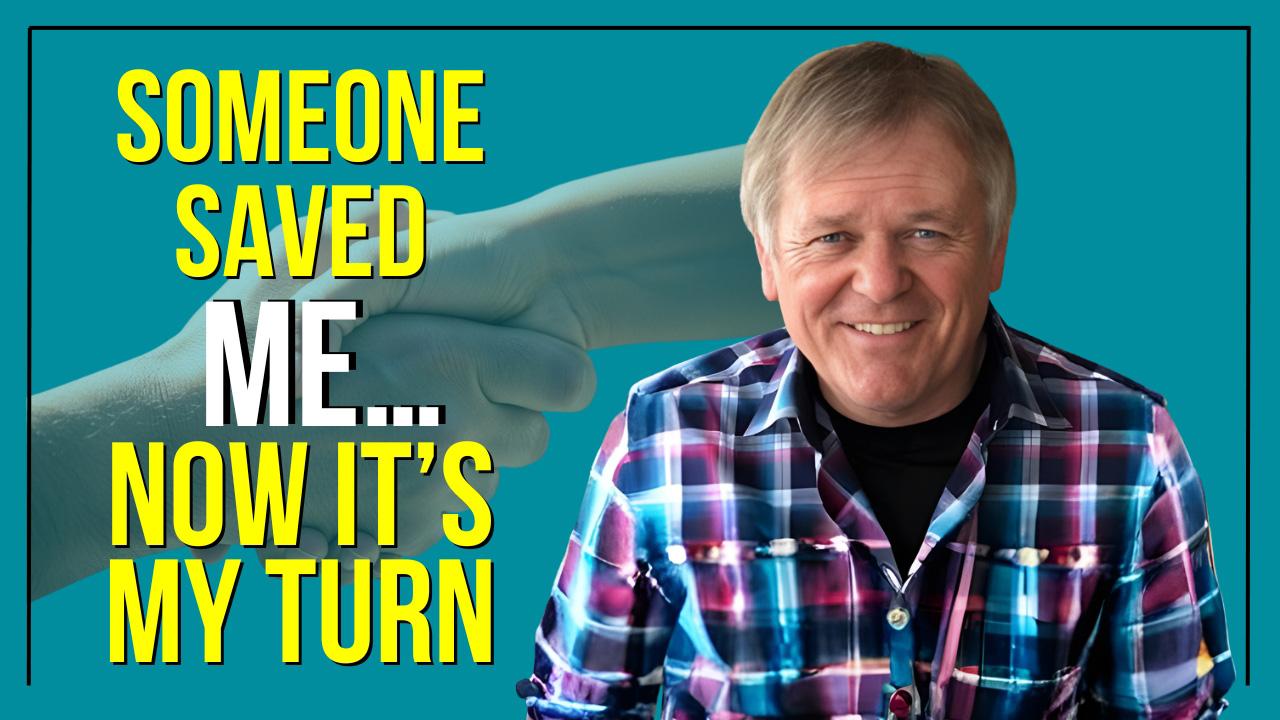
Someone Saved Me… Now It’s My Turn
I’m honored to sit down with someone who has played a meaningful role in my own recovery journey. My therapist, Ken Wells. Ken is a nationally recognized expert in treating sex addiction, intimacy disorders, compulsive behaviors, and trauma. Over the past few decades, he has helped thousands of individuals, including high-profile figures, celebrities, CEOs, and leaders, rebuild their lives from the inside out.
Ken has been sober for 35 years. He brings not just clinical expertise, but a deep personal understanding of the recovery process. His work helps people reconnect to themselves, break cycles of shame, and regain the capacity for intimacy and authentic relationships. Whether you’re struggling with addiction, codependency, trauma, mental health, or are simply committed to your personal growth, this conversation will give you insight, tools, and hope.
‐‐‐
Ken, it’s truly an honor to have you here on the show.
Thank you. It’s great to be here. I’m looking forward to our conversation. I don’t know where we’re going to go, but we’ll find out.
I have an agenda here.
I feel strong about the energy in the room. I take time to try to look at each person and share my energy and gather yours. It feels good. It feels warm. Thank you for inviting me to join you. I think of you as an expert. I am one who tries to walk alongside folk to help you access your own brilliance. That’s all I am. A lot of times, I strike out, but sometimes, I hit a home run for myself.
If I can connect with your brilliance and you connect with mine, something special always happens. Whoever you are or whatever we are, it’s in here that heals us. That’s what I’m excited about in this conversation. I want to experience healing for myself, if you don’t mind me being a little bit healthy selfish, and I want to share some healing with you. That’s it.
From Cult Survivor To Therapist: Ken’s Battle With Trauma And Depression
That sounds great. I was thinking of one thing. Whenever I listen to someone speak, I’m not necessarily looking to resonate with every single thing that they say, but if I find 1 or 2 things, that’s a home run in my experience or in my opinion, anyway. Thanks for being here. For those of you who don’t know you, can you share a bit about your personal story and what brought you into the world of recovery?
Sure. I was a minister for 25 years, and I’ve been doing therapy as a therapist for 30 years. I’m a geezer. I’m old, but not that old. There are some overlaps. What happened is that I came from a lot of complex trauma in my family. There was physical abuse. I have nine brothers and sisters. My mother and dad raised my oldest sister’s kids, so they raised twelve.
In that context, I grew up in what I identify as a cult. I, for sure, and all of our members in my family were impacted by sexual abuse through and around the church. It’s a long history of stuff. There was a lot of physical abuse. I was the youngest boy, so I learned how to get the crap beat out of me. I was never a fighter. My older brothers were. I learned how to absorb it and take it all in. That’s what I did. I took a lot in.
Later, when I was a minister in Denver, in a mega church, as you’d call it, for two years, there were ten different people who committed suicide. One person committed suicide over the phone. While I was trying to talk him out of it, he blew his head off. I went down with his wife to the morgue in Denver General to identify his body. There was the screaming and all. I had that.
There’s a kid who was a part of my youth group, like the college group, and she committed suicide. I was in the Denver General lots of times. I went in, and the family blamed me for her death because she had left her treatment facility. Somehow, they figured I was supposed to make sure that she hadn’t left or whatever. I had that before. I’m a veteran with some of that stuff, but on that one, I shut down. I was with a colleague. We walked out, and I said, “Something is going on inside.” What it was was that I had slipped into a major clinical depression. It was a big deal. I stopped eating. In 6 weeks, I lost 50 pounds. I wasn’t functioning. I couldn’t function at all. I was pissed and angry.
There’s a place in Denver called Five Points. That’s an area where you can mix it up and get hurt if you’re not careful. I went down there, and I was driving aimlessly. I have seen what I thought was a group of Crips. I thought, “I’m going to run my car right at them. I’m sure they’ll pull their guns and shoot me.” I did, and they didn’t. They pointed their fingers, and I thought, “That didn’t work.”
Whoever you are, whatever we are: it's in here that heals us. Share on XI went out to the airport back before 9/11, because you can go wherever you want. I tried to walk out into the pathway of an airplane that was backing out. My mind and thinking were that it would run over me. I had two dear friends, probably my best friends, whom I’ve ever known in my life. I didn’t know they were there. They came and rescued me. About that time, I recognized I needed to get some help, so I went into treatment.
I was in trouble. I wasn’t high on anything. I stared at the picture window. I stared at a piece of fuzz for eight hours. That was what the nurse said. That’s wild to me. I also had big feelings of rage and anger, so they let me go down to the gym and beat the bag all day until I dropped. I did that every day. One time was a tough day, and they put me in what was a padded cell. I heard about them, but I was in one. All of the awareness of hurt and pain that I knew in my life that took place in my family, all that crap that I absorbed, came out.
I beat the shit out of my Bible. That’s all I had. I turned over to Psalm 91. It talked about how God protects you and all this. I said, “Bullshit.” I didn’t say that because I didn’t cuss. I said something else. What I did was I took my fist, and I beat the crap out of my Bible, that very page. I still have that Bible because I have it for that purpose. I beat it until my knuckles were bloody. I thought to myself, “Huh.” It wasn’t like I’m talking to you now. It was like, “Would God be okay if I beat this Bible up? Maybe I could figure this out.” That’s an odd thought, not very deep, but it helped me shift my mindset.
My wife is Eileen. We’ve been together for 50 years. My boys were young, like 6, 5, and 3. I looked at her, and she looked at me. I said, “I want to hock my socks,” because we had no dough. When I said no dough, I meant no dough, as we all relate. I said, “I’ll hock my socks if I need to. I want to get healthy.” That’s what we did. I kept my pair of socks, but we sold back whatever we had.
I found out I was a sex addict in recovery. This guy, Pat Collins, whom I later worked with and knew well, had this 12-Step help on a cassette. The cassette I got, somebody had already put something else on it. I listened to two workshops at once. It bled through. I pulled off what I needed and worked with that. I had a sponsor who guided me into my recovery group.
I started a 12-Step group with the SLAA in Tampa, Florida. I was working at a pretty good-sized church then. One of the people in my church came. They were there, and it was a woman. I thought, “I’m going to be outed.” I probably deserved to be outed. I was not anything special. We connected afterwards. She came after me and said, “If you don’t tell on me, I won’t tell on you.” I started my recovery like that. I have been doing the 12 Steps ever since.
In about 1989, I did a special, intense workshop with a colleague of mine for many years. Her name is Marilyn Murray. She was then over in San Diego. I went over and spent a full day with her for a week. We did nothing but anger work. She told me that I destroyed seven of her tennis rackets. I think she was over-exaggerating, but she said I was the angriest person she’s ever treated, and she has treated some angry people. I don’t consider that something to brag about. It’s her experience, and that’s where I was at that time. Since that time, it’s not like I got born again all of a sudden, like, “I’m good. Look at me. I’m wonderful.” I’m human. That’s what I am. I learned how to get traction.
Finding Your ‘Unrepeatable Miracle’: Discovering Identity Beyond Your Actions
This is the greatest thing that I’ve ever known about my recovery. I’m a workaholic, codependent, sex addict, and whatever.Lapse, to me, would be that I go back into my old familiar victim posture, some of the old stuff where if I rage out. Relapse is just that. I’m acting out sexually. What I’ve learned is that those behaviors are not who I am. Who I am is an unrepeatable miracle of the universe. That’s me. That’s you. That’s everyone here. I say that because I’m not trying to convert anybody. I’m saying whether you believe it or not, it’s true. What has helped me more than anything to become a healing person for myself first and then for others is to embrace that reality.
There’s a big difference in believing in what you do. I can do things. I’m good at some things, not many. There’s a difference in that and believing in who you are. I’m not what I do. If I am what I do, then when I can’t do what I do, then I’m not anything. I got to a place where I couldn’t do anything. I remember this time of my deep depression. I couldn’t pray. For a preacher, that’s a big deal. You’re supposed to pray. I couldn’t pray because I was stuck. I drew my prayers for a month until I got a voice.
I pray now. I’m not particularly religious. I’m very into connection with what’s going on inside my guts. I send positive energy. I’m talking to you from my heart. At the same time, I can send positive energy to who you are, even though I don’t know you and you don’t know me. I call that prayer. That’s a meaningful thing.
Otherwise, in the old days, in my prayers, I had a long list. It was like, “Here’s a whole list of people who need to get healed. Here’s a whole list of people who are going to hell and back, and they don’t know it. I’m supposed to pray for all these people.” I went through all my brothers, sisters, and all this stuff. It was a bunch of craziness for me. I’m not saying people who do that are crazy, but I know I was. What they were doing is up to them.
Now, prayer flows through me because I believe that there’s a source of energy that’s healing that brings me back to center every day of my life. I share that part. I believe in that part. I believe in whatever you call it, whether it be Jesus, God, or energy. I relate to it as an energy source around me that matters. Some people identify that as Jesus or God. Who knows? I don’t care about the name. It’s this sense that deep down inside me, if I learn to access it, I can heal myself. I learned how to take my depression, for example.
I’ve had depression my entire life. It doesn’t dominate me. It did. What it does is it becomes a teacher. I think of sacred literature as all a metaphor. I think of that depression as the voice of God talking to me about what’s out of sync or what’s out of balance in my life. It tells me that, and then I have a wise mind inside me that needs to make a choice of how I am going to take care of myself. If I ignore it, it’ll kick my ass. I think that’s true. It’s true of addiction. It’s true of depression. It’s true of anxiety. It’s true of my OCD thinking.
Sacred literature is entirely metaphorical. Consequently, depression, as the voice of God, communicates to you about imbalances and disharmony in your life. Share on XI can’t stop thinking about what I don’t want to think. It dominates. What I ask is, “What are You trying to tell me?” I listen to it, but sometimes, it hurts so bad that I don’t want to listen. I have to work on just sitting with what’s inside. That’s hard. Sometimes, it’s a few seconds. I don’t want to bail, but I keep coming back.
I draw from my past. When we do therapy, I ask people, “What do you do in other aspects of your life that you can draw from to help you right where you’re at?” I was pretty compulsive about sports. I got diluted and distorted about sport. It’s crazy. It was very repetitive. It took me away from the pain when I was a kid. I learned how to come back to what’s hurtful, sit with it in a healthy way, and then let go of it.
Like you build up your muscles in the gym, I built up the capacity to sit with discomfort. As I sit with discomfort, two things happen. Insight came in time, and the discomfort began to fall away. Sometimes, it took a long time, maybe months. Sometimes, it was days. I had some discomfort, and I was able to work on myself, let go of it, and recenter.
Whatever therapy you’re doing here or anywhere, there are all kinds of wonderful modalities. Particularly, if all that’s helpful, it’s not all helpful to you or me, but a good therapist and a good process can help me sift, sort, and figure out what I need to get centered and find healing. What I think about that is it is only helpful if it can bring me back to the present and be right here with you and be right here with me because in my mind, this is heaven. It isn’t any different. I said, “My God, this is hell right now for me. Don’t tell me this is heaven.”
A good therapist, a good process, can help me sift and sort, and figure out what I need to get centered and find healing. Share on XThere’s a mix. When I’m in hell, I don’t feel heaven. I bullshit myself to think otherwise. When I’m in hell, if I sit with it long enough, I have the capacity to make heaven here with you. I grew up thinking that’s booga booga talk, but for me, that’s been my reality. There isn’t any arrival. It’s right now. That is it. My assignment is to sift it out and figure out how to make meaning of why I’m sitting here talking to you and why you are putting up with listening to me. You’ve got to figure that out.
I can walk alongside people and help them figure that out, and they can help me figure it out. I don’t have to be your guru, because I’m not anybody’s guru except my own. My deal is to try to challenge you to be your own guru. Figure it out. With this addiction stuff, all it is for me is about how to grow myself up to be the powerful adult that I’ve always wanted to be. I’m good at it, and I’m bad at it. Even though I have 30-plus years of sobriety, I can be a pain in the ass. I can have problems. I work with it and accept myself for being what I am. That’s hard.
The Spiritual Art Of Letting Go: Reconciling Rage With The 12 Steps (Step 3 vs 7)
I always think about step seven. Step seven said we’re trying to ask God to take away our shortcomings. How many times have I prayed that one? I said, “Either God isn’t listening, or there isn’t any God, or something screwed up here because I still got what I got.” Step 7 was step 3. Step three is about understanding how to surrender or how to let go and accept. If I’m not letting go, and here’s God saying, “Give it to me,” and I’m like, “I don’t want to. I’m going to keep it,” we have a problem.
If I can practice 7 by practicing 3, which means I’m going to let go of what I can’t control, you may be the most important person in my life, and you may have told me that you hate me. Can I let go of that? What does that mean to let go of that? Is it ever one and done? I don’t think so. In my life, it’s an everyday piece. When I go, the shortcomings are not there. I can’t empower step seven until I’m into step three. I know that’s a little bit advanced, but it’s life.
How many times have you said, “God, why am I here?” I’m saying for myself why I’m here. You may ask yourself, “Why am I here?” Why won’t God take it away, whatever God is? I have to ask myself, “Why am I not letting it go?” If I wanted this man’s notebook and I reached over, and he would give it to me, but he wouldn’t let go of it, that’s how I am with God sometimes. I want him to take it away, but when he takes it away, I want to hang on to it. I found out it’s important to let go. To do that many times, my goodness.
There are very few one-and-dones in my life in all of my experiences. I never found out about feelings in my life. People were like, “You grew up a preacher boy, didn’t you?” I’m like, “Yeah.” They were like, “You shouldn’t hate, should you?” I had lots of hate. You can’t have people crap all over you and say, “It’s okay. I love Jesus,” or whatever you think. I don’t like to get crapped on. What I do is I have to work with that hate, anger, and rage.
Do I have to label this, like, “That’s bad. I need to go into treatment and get rid of that.” I need to do treatment so I can work with it and vomit it out. Sometimes, when you’re working through some abuse, at least for me with clients and for myself, I vomited out because it hurt that badly. It’s okay. It’s important that I don’t vomit in your lap. Go to the bathroom or wherever. I can vomit out all that I feel, whether it be hate, hurt, sadness, or shame, and then I move it from the person who hurt me.
There’s this preacher that I know who molested me. I haven’t had a sense of smell since I was thirteen. That’s the last time this person ejaculated on my face. I’ve tried different modalities, and I’ll continue to try. Lots of times, I’ll smell pumpkin pie when it’s not there. When I was growing up and in my college days, we used to do stuff. I remember we were trying to play a trick on a guy. We had a skunk, and we threw it in his room. I could pick it up and never smell it, but then I knew I couldn’t hang out with people because they could smell me. It was that problem.
Forgiveness As Self-Empowerment: Moving Hate From Person To Principle
I’m saying this whole context because do I hate that person for that experience? Sure, but I can’t stay stuck in it. It’ll eat me alive. I wouldn’t even be here. I move it from the person to the pain and the issue of being abused, being disrespected, and being dominated. I move that same energy that I hated this person to hating this principle, this issue, this hurt, and this abuse, and I keep working with it. I take that energy and move it over here to my own self-empowerment to love myself, set boundaries, assert my truth so I can get it out of my system, and transform myself so I can love other people and have compassion for others, including the preacher who screwed me over.
He’s dead now, so I don’t have to worry about hanging out with him. I never did want to hang out with him. I never did want to say, “You’re okay. You love Jesus. I love Jesus. Let’s be good.” I don’t want that crap. I want to stay away from him. Part of forgiveness is to recognize what that person has in him, I have in me. That is that I want what I want when I want it.
Part of forgiveness is to recognize what that person has in him, I have in me. Share on XWe all want control. He could control me when I was a kid. I know what it is to seek control, so I forgive myself for the ways I’ve hurt people. Not in like-kind because I don’t have a desire to mess around with kids, but I have wanted what I wanted when I wanted it, and it hurt people that I loved around me. I own that. I forgive myself. I forgive that person so I can get out of prison.
That’s the process of working with hate, resentment, and shame. You are always moving it from person to issue, to self-empowerment. It’s the same energy. Mine as a powerful adult is to manage it and direct it. I don’t have to get rid of it. If I manage it effectively, I will become a person with lots of compassion. My spiritual goal is that I want to be Christ-like. For me, that means one thing. The son of God or whatever people think, that’s great. It means treating everybody, first myself and then you, with dignity and respect always.
It doesn’t matter how you identify yourself. They say, “Isn’t that wonderful? You must be like Mother Teresa.” Sometimes, I’m bad and judgmental, but I work on it. I know the sourcing. I know how to move my spirit, and it helps me. Therefore, all the shit that I know about my life, I can free-fall into it. Have you ever jumped off a cliff into water? When I was a youth pastor, we used to take kids over to a reservoir, and they jumped off 50-foot cliffs all the way down. That’s long enough to think about it when you’re going down, but there’s no control except to make sure you’re not looking down because you’ll get face-planted.
Free fall into what? Into your own struggle. What are you believing in? I believe that the integrity of my life will bring me right to the center of my heart. That’s enough in life. That’s all I ever am. It doesn’t control the results of what I do. You may have had bad luck. You may get a good run and make a ton of dough, all kinds of sex, or whatever. It isn’t who you are. You can’t control it, no matter how good you are.
My unconditional confidence is that I can always bring myself right back here to my sense of self. That’s enough. It makes you rich and wealthy. What anybody else thinks about me, however people want to judge me, legislate toward me, and all the craziness that happens, it matters because if you’re going through that crap, but what matters is I can bring myself back to who I am. I choose to die that way. I’m good with who I am.
Do you know what happens? All this shit that happens in my life doesn’t dominate me. I don’t know where you’re at or what you’re wrestling. I think some are here for addiction, some not, and some whatever. I think what I shared, if you were to come and see me, I would want you to know that. That’s what I want you to know. It could be helpful, or it might not be. It’s okay. I can’t help everybody.
The Radical Act Of Healing: ‘Giving Back’ Shame To Find Your True Self
How did you figure out who you were? In listening to your story, you were full of anger and rage. Speaking of energy, that’s not the energy that I get from you. How did you figure out who you were?
I’m not zen, that’s for sure. I like to be zen. It feels good when it is. Sometimes, it feels good. How did I get to where I’m at? It was by embracing my failures. By weaving meaningfulness throughout my life, looking back, that’s step one. For me, the most healing experience of my entire life and all the modalities that I know about and participate in, nothing is as powerful for healing as step 1 of the 12 Steps. I’m a 12 Step advocate, big time, but I don’t think that’s the only way people get healthy. You figure your own way, but it is helpful.
Nothing is this powerful for healing than embracing failures and weaving meaningfulness throughout our lives. Share on XWhat I did was I pulled apart all these times. When I was a kid, I reckoned I could never be enough. As a quick piece, as a kid with boys and all that, I was a baseball player. I could pitch, and I pitched well. I won all my baseball games and pitched the perfect game. On and on I went, but it was never enough. My uncle told me I wasn’t good enough. My brother said the same thing. I gave up and said, “Perfect is perfect. How more could you do?” I gave up. In 2 or 3 years from there, I gave up all baseball.
My mother was a baseball player. She was a baseball player in the league of her own. She taught me how to play and all that stuff, but I gave it up. I lost myself because that’s all I knew how to do and be. As I look back at that, I find out that I didn’t have anybody believing in me. I was told by my teachers, and I was voted the least likely to go to college. When I went to college, my advisor said, “Wells, you’re going to go home, and you’ll be a 9:00 to 5:00. You’ll never be anything more than that.” I wish I were just that.
How did I find myself? What happened is that it was all shame crap. What I did was I stalked shame. What do I mean by that? I went back to these significant places, and I gave back the shame that was given to me. I gave back shame to the church. I went to the church. I brought a cadre of people. I brought my dear friends and my family, my boys. When my mother passed away, we went back. I gave back the shame to that location. It was helpful. I went to the house where I learned how to be a sex addict. I gave the shame back there. I went to the baseball field where I felt shame, and I gave shame back there.
I’m a poet, and I write poetry. I wrote poetry about each of those experiences. I went to the university where the guy told me. I had written a letter. He’s dead and gone, but I sat in his building, which was named after him. They allowed me to. Since I was an alumnus and they figured I had dough, they said, “You can go over here and sit here and talk.” I gave back shame to him. I do these things on site. There’s something healing and centering when you can take your rage that’s twined with shame, and you give back that rage to its source. Not everybody’s going to do what I do. What I do is a little bit funky.
There's something truly healing and centering when you take the rage that's twinned with shame and give that rage back to its source. Share on XThis was back when Michael Brown was killed in Ferguson. I know that area well. I’m from that area. I went back and took his trail from the convenience store down the street to where the killing took place. I thought to myself what it would be like to be that person. Michael being shot, I thought, “What would it be like to be his family?” I wanted to be his mom. I wanted to be his dad standing there.
I marked out and learned where the police officer was who shot him. What was that like to be a cop who would shoot somebody? Why? I wanted to relate. When I can relate, it helps me understand human failure and societal failure. I’m a part of all that, but it doesn’t have to dominate me because I give back shame. It’s a big deal to me. I will continue that for the rest of my life.
You can’t walk through the world and not absorb the energies around you. They’re all around you. When people who are disempowered are dominated, it hurts me. I feel it. It’s a big deal to me. It’s not about me being a therapist. It’s about me being a human being. I’m so grateful that through the years, I have embraced my failure. What does that mean? It’s to make meaningfulness out of it. That wasn’t about me. I was a kid.
As an adult, nobody cares if you’re a good Little League baseball player or not. Nobody cares, except when you’re a Little League baseball player. What you do is you carry that shame that you’re not enough. You carry that all through your life. It has been helpful to me to give that back. If you don’t give it back, that’s the source of my rage. I have been working on it all my life, giving it back. I still work on it.
There are different places in the world that are private and personal that I go to to give back shame. There are things in places that I believe where domination occurs. If there’s domination, I feel it. I’m not the one being dominated. Look at me. I’m an old geezer who has social security and all the Bennys that Baby Boomers get. I got all of that going for me, but I feel the domination of others around me. That is anything about therapy. It is about recovery because I’m trying to recover humanity.
You say, “Who are you?” Mine is to treat people with dignity and respect, starting first with me, being healthy selfish that way. Mine is about loving and caring for you, whoever you are. You live like they’re going to pull the drug out of me or take advantage of you. I know. I’m not stupid. At the same time, I think it’s important. We went down that path.
Managing The Inner Noise: How To Tame Your Shame-Based Voices And Cultivate Peace
Speaking of shame, I went to this Joe Dispenza retreat. He talks a lot about energy and belief. If I believe that I am shame, then that’s the energy I put out. If that’s the energy I put out, that’s the energy I get back. I’m hearing you say that you’re giving away shame. Is that the energy you’re giving? How does that work? How does it come back to peace, serenity, happiness, and feeling good on the inside?
Shame tells me I’m a piece of crap. Not that I do crappy things, but I am one. That’s exactly who I am, in essence. If I take the shame about anything about me and put it on behavior and not my sense of self, it frees me up. I’ve got to put something in there, and I have to put positive awareness of who I am. That’s where affirmation is helpful.
In my world, I treat addicts a lot. One place people don’t get very well is the discipline of cultivating healthy affirmations in their lives. It’s pretty important. You don’t put a seed in a crown and get fruit the next day. You’ve got to put that seed, cultivate it, and work with it day in and day out. You borrow from aspects of your life, if there are any. If you’re not, then you create one.
You repeatedly do the next right thing until you get the results you hoped for, and you borrow from that in what you tell yourself. It’s necessary. The big thing about addiction is that I lose myself in addiction because I don’t embrace the feelings that are there. I want to numb that out with whatever it is, whether it be sex or substance. It works. We wouldn’t do it if it didn’t work. We do what works.
It’s the solution.
What happens is with the feelings, it’s important that I embrace those feelings and understand what’s there, so I can shift out. What happens is that there are times when I have to embrace a feeling and sit with it. Then, there’s a time I need to act. That act is not tricking your brain. It’s realigning yourself to the universe around you. If I think less of myself, that’s what the universe will give back to me. I know people use that to get dough. If that’s what you’re into, I suppose it works. If you want peace, what happens is that’s what you get.
The rage and the anger leave because I replace them with this concept of peace that comes to me. I’m acting on what I affirm. I’m going to treat myself with respect. What if I don’t? I said I’m going to treat myself with respect, and I call myself an SOB at the same time. I keep learning to ignore the voice and come and do the action.
Practice finding meaning wherever you are. Share on XHere’s where sports helped me. I shot all kinds of free throws when I was a kid. What happens is that in sports, these guys are playing. They’re in the visitor’s gym, and everybody’s yelling at them and saying things about their mother that they don’t want to hear. If they’re going to perform, they have to ignore the voice. It’s the beautiful mind. Nash said he could stand in front of these guys and accept this war because he’s learned to ignore the voices.
Schizophrenia people who suffer are not the only people who hear voices. I hear voices every day that I need to ignore and act on. It’s okay to hear voices. I welcome those voices. They have something to tell me. Once they said their peace, what do I do? I need to practice acting on what the wise mind that I discovered is telling me to do. I’m not perfect at that. I stumble.
Here’s the deal. Is it more important to have never been lost in the woods if I’m going to go hiking with you, or is it more important to have a compass and a map that says, “If you do get lost, you can get found.” All I need is to be able to get found. I get lost in my days. I seem to know how to get myself back on center, so I work with that. That helps me with my anger and my rage. I think anger is a good deal. It saved my life many times to set healthy boundaries.
I think about all the different emotions, like happiness, joy, love, loneliness, pain, anger, and sadness. Before I was in recovery, if I felt any of those feelings, I would reach for the drink, the drug, Facebook, TikTok, or whatever to numb the pain. What I’ve learned to do is to feel the feelings. The feelings don’t feel good. I had Jason Campbell here. We talked about how you need the negative emotions or perceived negative emotions and the happy emotions or good emotions to feel better. It’s more important to feel the negative emotions, like, “How quickly can I feel the negative emotions and get back to baseline?” That makes the happy times, the love, the joy, the laughter, and those feelings feel better.
That’s true. Practice finding meaning wherever you are. It didn’t come to me overnight. If it came to me overnight, we would not be having this conversation. To be able to transfer sadness and to know how I can meet my life’s needs in a healthy way, and not numb out. If I catch myself numbing out, I ask myself, “What’s going on?” I can bring myself back.
It’s this velvet steel thing. I write this blog called Velvet Steel. It’s a concept that I believe in. As an addict, I’m usually gentle where I need to be tough and tough where I need to be gentle. Don’t get it all mixed up. It’s important that I take time to be caring, loving, and supportive. At the same time, they have to be a part of me so I don’t have to walk hell and back to do the next right thing. It’s a combination and an art form. It’s not like, “Do this except 1, 2, and 3. Everything is good.” Recovery is an art form. You’re the artist of your own life. I am, too.
The Wealth Trap: Why Billionaires And Celebrities Struggle With Self-Worth
You’ve worked with people across the spectrum from everyday individuals to celebrities and billionaires. In your experience, what struggles do they all have in common?
Finding themselves. You do realize, don’t you, that’s a suggestive thing? I don’t know what you realize, but I’m making this statement. Every person in this room is a celebrity. Ask the people who love you. If you don’t have anybody you love, ask the person right next to you because they’ll love you. We’re celebrities. My kids are counting on me. I have friends who are counting on me, so I’m a celebrity. With the celebrity thing, when you get lost in that stuff, they don’t know who they are. They lose who they are if they’re lost in the context of, “I’m famous.” Sometimes, celebrities complain about autographs, but then they complain when people don’t ask. It’s crazy, but that’s how it is.
I know this one person who has more money than some countries do. It’s insane, but it’s real. I’ve noticed how when he gained a lot of money during COVID, and he already had a lot of money, he became more fearful. I know folks who don’t have anything, whether they’re homeless where I live or people who I know in other countries, and they don’t have any of the concerns this man has. It’s kinda weird.
I tell them, “Don’t you realize that even if the stock market went to hell and they pull the rug out, you’re still good? What are you nervous about?” He lost himself. If you lose yourself, then who are you? What have you gained? It’s okay to have dough. Don’t we all want more dough? There’s nothing wrong with that, but to lose yourself. People lose themselves in their addictions. That’s the common theme, and that’s what I help people find themselves.
The Codependency Equation: How Unmet Childhood Needs Sabotage Adult Intimacy
Speaking of early childhood trauma, even trauma labeled as mild, how does that set the stage for intimacy issues later on in life?
The tendency in our lives is that we play out our needs that were left unmet into the relationships we try to create in the here and now. Søren Kierkegaard is a Theologian and philosopher. He says, “Life is meant to be lived forward, but it can only be understood backwards.” I look backwards to understand where I am in my relationship. There are times when I’ll depend on my wife. In giving an example, you’d think, “This is a mother issue Ken has.” That’s right. I don’t mean to, but I’m treating her as if she’s my mom. I want her to meet a need that I never got met when I was a kid. We play those things out.
What’s important is that we recognize that. It’s not that we get healed. I might get healed if I’m no longer going to seek out people who will fill me up. You know that old codependent thing. The codependency word is controversial because even when it wasn’t so controversial, it’s hard to explain. It’s controversial. People don’t want to be codependent. The reality is, in a relationship, the adage is if we have 1/2 and 1/2 and put it together, we have a whole. 1/2 times 1/2 is 1/4. The reason is that I’m pulling out of you what I hope you’ll fill up in me, but it doesn’t work that way. It’s an inside job. That’s what happens.
The tendency in our lives is that we play out our needs that were left unmet into the relationships we try to create in the here and now. Share on XWe have all these childhood developmental needs that we need to meet. When they’re not met, then we’re like a chunk of cheese with holes. We find ourselves reaching outside of ourselves to try to fill that hole up. One of the holes that’s common, if we have time to listen to the sacred story in this room, would be that I learned that it didn’t matter. It was not because my mom and dad didn’t love me, if they loved me. I learned it didn’t matter because my mother and father didn’t spend sufficient amounts of time with me on my terms, not theirs. It’s a big deal.
Little kids don’t say, “I think my mom and dad need to get some counseling to work some things out here.” They make it about themselves. They’re like, “There must be something about me that isn’t okay.” We all try to figure out, “What do I need to do to get my mom and dad’s attention?” We become performance people. Maybe we’re good at sports, school, church, or this or that. Maybe we go around giving the finger to everybody because that’s how we get attention. We can do that, too. We’re looking for that. When we go up in our adulthood, then we’re looking for someone who finally gets it. We’re like, “Maybe this person will finally know I’m worthwhile. If I have this person in my life, then I’ll be okay.” That happens.
Beyond Hopelessness: Transforming Deep Shame Into Empathy And Compassion
What would you say to the person listening who feels deep shame or thinks their situation is hopeless?
First, I wouldn’t want to say anything. I’d want to listen and hear it all out. I’d like to relate to what they’re telling me. When I don’t relate, I’d want to tell them, “I don’t relate to that one,” if we have an honest meeting of connection. If I’m talking about shame, that’s tender. That’s going deep, and then I’m going to give you a quick fix? You know better than that. Honestly, you’d feel like I didn’t hear you. I think it’s important just to hear it.
What I would want to help them learn and see is that shame is an experience that’s neither good nor bad. It’s energy. We have a responsibility to manage it. When you were a kid, at some vulnerable time in your life, you were triggered deep and big. The good part of shame reminds me, in a lighthearted way, to put my clothes on and not walk around in public naked. That’s helpful. I work with that. It’s a shame that eats at my soul. I would want them to understand it’s like battery acid if you leave the acid in the battery to help you start your car.
Shame can be helpful if you put it on behavior, not a person. Share on XShame can be helpful if you put it on behavior, not a person. If I do something to hurt you, if I could use you as an example, and I keep to myself, “Why would you do that? You’re a piece of crap for treating that guy that way,” that’s not helpful. If I put it on the behavior, and I can help you learn to do that, then what I look at is I see how hurtful, how embarrassing, how belittling, and whatever that is to you. I know in my heart that’s not who I am. That can help me transform my shame into compassion and empathy. I want you to learn that. I want to teach myself that. Does that make sense?
Yes.
As you guys know, in recovery, simple and easy don’t go together. It’s simple and hard.
Audience Q&A & Final Thoughts On Recovery
I want to open it up for questions for you guys. Do you guys have any questions for Ken? Is there anything that you’d like to know? Is there anything you want him to expand on? What’s the most important lesson recovery has taught you about yourself?
It has taught me how to love myself, and that it’s okay to be human. That’s a lot of freedom, just to love me. Whatever you identify as funky clothes or not, it has a wide range. It’s personalizing. I change clothes before I come over because I don’t know what kind of get-up you guys would accept. I wear what I wear because I want to wear it, shoes in particular.
What I tell you is that I had the freedom to be me. That’s sacred for me. I want you to be you, whatever you are. Let it out here. Express that. Recovery can help you get there. I know I struggled to love myself. Especially early on or before recovery, I hated myself. It was a journey. Can anybody relate to not loving yourself? We all can. It’s a journey. It’s a process. Being in recovery and doing all the things, whether it’s treatment, prayer, meditation, journaling, yoga, exercise, breath work, eating good food, or getting enough sleep, it’s all part of the journey.
If you could give one piece of advice to clients here at the center working through addiction, trauma, or intimacy issues, what would it be?
I don’t have a quick response, but there is a thought that came to my mind. Stay the course. I don’t pretend to know all or anything about what’s happening to you. Maybe you want to quit. Maybe you think, “I’ll go to work.” Stay the course and trust the universe to align with your power and those who are around you to help you find healing.
Stay the course. Don’t go back off. Hang in there. That’s what I want to say. There are probably more profound things to say, but if I had stayed the course, that would have saved my ass so many times. I didn’t find any meaningfulness in what they were doing, and I was angry about it, and I didn’t like it. I said, “I know what it’s like to go ahead and do it anyway.” I had a piss poor attitude, but it got better because I stayed the course.
We got a question.
Would you mind repeating that statement about something pertaining to lack of attention from your parents, but it wasn’t on our time? Could you explain that a little better? That hit me.
We have all these developmental needs first. I need a predictable environment. Many of us didn’t have that. I had chaos. We need shelter. We need food, education, and whatever. I need that kind of touch, but I also need to know that I matter. That’s the point you’re asking. What I’d say to you is this is. How kids know they matter is when Mom and Dad spend sufficient amounts of time with that child on that child’s terms, not Mom and Dad’s.
I’m a workaholic, so I bring my kids to work with me. It’s not like it didn’t count or matter because it was important, but the time I spent with my boys was mostly on my time. My mom and dad didn’t spend time with me. I have four grandkids. They’re little guys. I have a hard time being with them, except in some kind of sport. They don’t even like sports, so I need to let that go. My wife is excellent with it. My boys are good with those kids. They’re not perfect, but they’re good. I see how important it is to spend time with them. What it’s about is not trying to say, “Mom and Dad are good or bad.” It is, “I need sufficient time so they know who they are and what they do matters.” Does that make sense?
Yes, but I’d like it in a nutshell.
What we sometimes don’t underscore is important. What’s important is not to overlook or underestimate the resilience of a child. We’re here because we’re resilient. We have the capacity to bounce back. As an adult, what happens is I have to realize I do have resilience that I can rely upon. That’s one thing. The other thing is that I can grieve what should have been, could have been, and never was. I can’t go back and fill in those holes. I can go back and make meaning out of those holes in my life. Does that make sense?
How so? I don’t mean to get so complicated. If you can recommend how to let go of that. I’m a grown adult.
I have to grieve for it. There are many different ways to grieve. In our country, we don’t talk much about grieving. We don’t know how to grieve. Grieving is messy. Grieving is sad, mad, melancholy, and indifferent. I have all these things and feelings, so I need to express them. I need to have a source that will hear me out. I need to give back the shame. If I don’t think I matter and I’m not enough, what happens is that I’m carrying somebody’s shame. I need to give that back to them.
I’m an unrepeatable miracle of the world or the universe. Mom and Dad missed it. Maybe some of our parents were monsters if monster means hurtful, abusive, and egregious behavior. All I’m doing is giving back the shame that they gave to me. Likely the reason they weren’t there was that their parents weren’t there for them. In that context, they did the best they could.
I don’t believe that parents do the best they can. I’m a parent. I did the best I could. We’re talking the best you could. That’s 24/7, 365, for 18-plus years. Who does that? I never always did the best I could, so I can forgive them for that. They’re human. What that means is when the pain comes up that I don’t matter, I can recognize, “I understand. That’s a message I got as a kid, but I gave that back to Mom and Dad. I’m going to embrace the reality that I do matter, and I’m worthy of love.” Does that make sense?
Yes. Thank you.
Embracing it, grieving it, and all of those things, what do we do with the fact that it has impacted our self-worth and our self-esteem as adults? I know that we’ve already covered some of that, but what do we do with that part? We can forgive it and let go, right? That is what you’re saying, which I completely agree with, but that self-esteem aspect is still there, or lack thereof, rather.
I think letting go and forgiving is an ongoing process. I don’t think it’s a one-and-done. To speak to that part of your statement, something I do the rest of my days is to forgive that which I didn’t receive or ways I got hurt. Honestly, I do that daily in my life. The part that you’re leaning into asking is about self-esteem. It’s a spiritual journey, not religious. It could be. Some people who are religious are very spiritual. It’s a spiritual journey in the context of being able to recognize my being and practice that, and to reinforce my worthiness in belief and affirmations.
Letting go and forgiving is an ongoing process. It's not a one-and-done. Share on XPersonally, Tim mentioned Joe Dispenza. I listen to a lot of him. I listen to Alan Watts. A lot of people I listen to are dead, but they still help me. If you listen to me long enough, and you probably have already, you say, “That guy doesn’t know what he’s talking about.” I say the same thing about everybody I’ve ever listened to because I don’t agree with everybody on anything, but I pull out things that are helpful and incorporate those beliefs.
There’s no arrival. It’s being right where you are in the presence and celebrating who you are in this present moment. When the voices come to me to say, “You’re bullshitting yourself. You know that’s not who you are. This is who you are,” and off it goes like a machine gun fire, I practice not listening to that voice. I practice cocooning myself with care and support in helpful environments.
Sometimes, I need to pull out of my everyday life and seclude myself to build that because I’ve taken a shame hit or what have you. As I do that and lean into that and act like, “I’m going to do what I need to do. I’m not surrendering. I know what I need to do at this moment in time. It doesn’t have to feel good. I’m going to do it because it’s right. I know I am what I am,” I build muscle there. It’s a spiritual mental muscle or whatever. Somebody could say it better. Does that make sense to you?
Yes, it does. Thank you.
This healing thing is not very spectacular. I wrote this little book called Dare to Be Average: Finding Brilliance in the Commonplace. We all share that space. That’s where you can find what you’re talking about.
Thank you.
Is there anything I missed? Is there anything else you want to talk about?
Thank you for putting up with this for over an hour. Thank you. You’re kind.
Where can people find you? How can they connect with you if they want to learn more about you, your work, your blog, and your books?
A book I wrote is on Amazon. For my blog, I write through the Genius Recovery Network. I don’t have a lot of business sense myself. I should have this little spiel I give to you. I don’t have any spiel, but I’ll tell you what you can have. If you want my blog, it is Genius Recovery Network. If you would send me an email at my email, it’s KWells666@gmail.com.
People who are religious think I’m the antichrist. They get off in these numbers. 666 means the antichrist, if you didn’t know that. I didn’t particularly care about that. Since I don’t email myself, I wanted something I wouldn’t forget, so I have that. Kwells666@gmail.com. I’ll take your email and send it to Joe Polish, who does Genius Recovery Network. You have my blog. My blog is a free deal. It’s every Tuesday and Friday every week that it comes out.
Give it up for Ken Wells. Thanks for tuning in, and thanks for your time, Ken.
I enjoyed every bit of it.
That’s awesome.
Important Links
- KWells666@gmail.com
- Velvet Steel by Ken Wells
- Dare to Be Average: Finding Brilliance in the Commonplace
- Genius Recovery
- Removing Everything That Isn’t You: A Journey Back To Yourself with Jason Campbell
About Ken Wells
 Ken Wells brings over 25 years of experience in the treatment of sexual addiction. He is known for his direct, compassionate approach to confronting denial in addiction and for addressing the complex, nuanced impact of sex-offender behavior.
Ken has worked at every level of family care, helping individuals and loved ones navigate healing and repair in the wake of addiction. He also facilitates workshops focused on sexual addiction, shame reduction, and spirituality, offering practical tools and insight for long-term recovery.