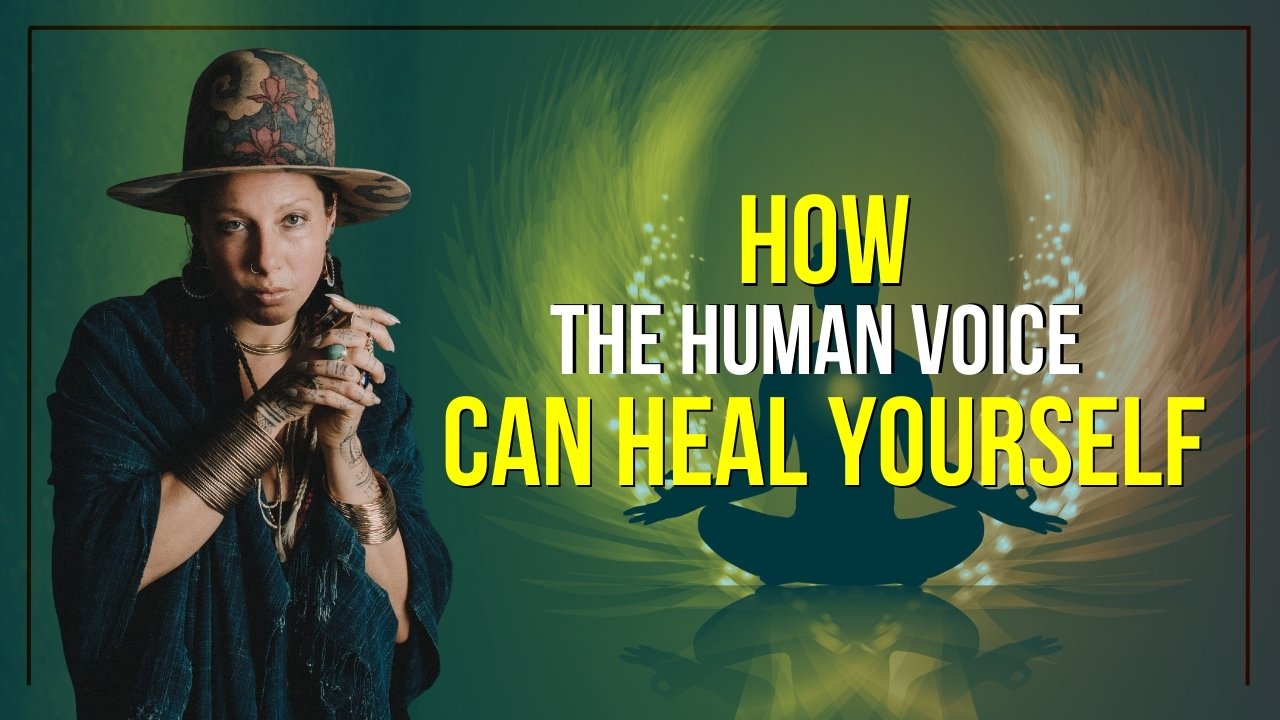
In this powerful episode of I Love Being Sober, Tim Westbrook sits down with award-winning singer/songwriter, vocal coach, and woman in recovery Shylah Ray Sunshine for an honest conversation about sobriety, childhood trauma, motherhood, and the healing power of the human voice.
Raised by parents struggling with alcoholism, Shylah shares how early exposure to addiction shaped her life — and how finding 12-step recovery helped her break generational patterns and begin deep emotional healing. She opens up about becoming a mother while navigating her own trauma recovery, balancing career and spiritual growth, and what it truly means to “come home to yourself.”
Together, Tim and Shylah explore:
- Growing up in an alcoholic household and finding recovery
- The role of 12-step programs in healing trauma
- Breaking generational cycles through sobriety
- Motherhood and recovery
- Quitting smoking and reclaiming the physical voice
- How trauma lives in the body — and in the voice
- Music as medicine and facilitating healing through sound
- Using breath, vibration, and expression as tools for transformation
Shylah also shares insights from her work as a professional vocal coach and creator of Soul Voice Singing, explaining how reconnecting with your voice can unlock emotional freedom, self-expression, and spiritual alignment. This episode bridges addiction recovery, trauma healing, creativity, and spirituality — offering hope and practical insight for anyone seeking deeper healing. If you’ve ever struggled to speak your truth, break unhealthy patterns, or reconnect with your authentic self, this conversation is for you.
About the Guest
Shylah Ray Sunshine is a multi-award-winning Neo-Soul and R&B artist, DJ, professional vocal coach, and proud First Nations Algonquin woman based in Los Angeles. Her music has been shared worldwide, and her work focuses on healing, empowerment, and authentic expression.
Learn more about Shylah Ray Sunshine and her Soul Voice Singing work at:
—
Watch the episode here
Listen to the podcast here
How The Human Voice Can Heal Yourself
A Conversation With Shylah Ray Sunshine On Sobriety, Motherhood, And Healing Through Music
Our guest is Shylah Ray Sunshine, a multi-award-winning singer, songwriter, DJ, professional vocal coach, mother, and woman in recovery. Originally from Canada and proudly First Nations Algonquin, Shylah Ray is now based in Los Angeles, where her Neo-Soul and R&B music has reached audiences around the world. She’s known for her wildly authentic performances, deeply moving lyrics, and a voice that carries both power and tenderness. Her album Into the Wild brought her global recognition. Her most recent release Lessons in Love marks a new chapter of artistic and spiritual depth.
Beyond music, Shylah is a devoted mother, a facilitator of healing through sound, and the creator of soul voice singing, helping people reconnect with themselves through their voice. At Camelback Recovery, we’re talking about sobriety, healing childhood trauma, motherhood, music as medicine, and what it means to reclaim your voice, both literally and spiritually. Shylah Ray, welcome to the show.
Thank you.
Do you like to be called Shylah Ray or Shylah?
Shylah Ray is cuter. It’s got a little thing to it.
Did they call you Shylah Ray from childhood?
Yes. Especially when I was being bad.
When did the Sunshine get added to it?
That was when I was newly introduced to LA. I met a group of young people that were artists hanging out. One of them just said “Shylah Rays of Sunshine.” He said, “That’s your new name.” I was like, “I’ll take it.” It’s been my artist name, my stage name, for many years but I dropped it for professional reasons but the hippie in me will always identify with the Sunshine.
I love it. We’re possibly going to play some music or sing acapella. You brought a couple of your little instruments. We can do that. Let’s start with your childhood and at some point throughout the show, we’ll stop and play a little music. Does that sound good?
Yes.
Childhood, Trauma, And Finding Recovery
You’ve shared that you were raised by alcoholics. What was your childhood like? How did that shape you?
I’ll try to summarize in a couple of minutes. There was a disconnect from my family of origin. When it’s all you’ve got growing up, you do your best to feel comfortable, to identify and live your life trying to be your own unique being. I know that I very much felt like an artist very young. I was into dancing, singing, and drawing. A lot of creative things. I wasn’t academic much. I loved sports. I was being active. I loved everything, but school and hanging out at my alcoholic house. Anything was better than that.
I spent a lot of years questioning why I didn’t feel safe, especially with my mother. There was a big rupture in that relationship because my mom pretty much drank most of my upbringing. There was a lack of trust and safety. For a young child, that was very confusing. By the time I got to my teenage years, I was very angry, confused and had a lot of that angst. There’s a lot of conflict. I remember feeling angry. There was a lot of fighting, a lot of yelling and just constant conflict.
Never feeling like I was at a good place, especially just with my mother. With my dad, I was okay but they’re codependent. There’s codependency in these relationships where there was just no reasoning. I found myself trying to escape that situation by either locking myself in my room and going deep with music or with drawing, art, sports, friends, and boyfriends. I got sexually active pretty young. All those things to distract from what I was feeling when I needed possibly therapy.
Again, I was beating up on my brother. I had lots of behavioral issues that stemmed from that. it was difficult for my family members to see my creativity and my light because I was so wrapped up in these dysfunctional behaviors. It ended up just getting into not doing well in school after and not putting any effort towards academics, running away from home. I’m wanting to constantly stay at my friends’ homes or my boyfriend’s house just to avoid.
Finally, when I barely graduated high school, it was like, “Do I go to college? What is it? What’s calling me?” At that time, I was already into cannabis. I was already getting introduced to other things. I didn’t get into drugs when I was young. It was mostly just cannabis at that point. I just remember I could feel my spiritual evolution starting to happen. There was something shifting in me.
Alcohol was encouraged pretty young. I just remember it was something very comfortable in our family. My entire family drinks. The entire family has a history of alcoholism. It stems back from probably my great-grandparents or further back. My mother’s side is Native American and there is a lot of alcoholism. It’s more of a lifestyle thing. They don’t even talk about addiction. It’s just like, “This is our life.” It’s a foundational piece and I thought okay.
It’s because I’ve got Native and then I’ve got Scottish-Irish on my dad’s side. There’s just heavy drinking. I remember not feeling safe and not feeling comfortable with that. I was very encouraged pretty young. As young as thirteen, I remember getting alcohol. I was done drinking by 17 or 18. I was like, “I am good on this.” I did it because everyone else was doing it. When I found cannabis, I had stopped eating meat when I was seventeen. When I did that, it opened my eyes to a whole other world of healthy habits and changed my lifestyle from that point.
The drinking had to go. I was scared of doing drugs because it was like, “If this is what alcohol does to people, I am terrified of what hard drugs would do.” I luckily avoided those. That’s what kept me going. I’m eliminating animal products and chemicals from my diet and my lifestyle. I got on the hippie path. It was cannabis, reggae, drawing, and traveling. I just left. I left at like seventeen and a half or eighteen. I graduated and I was like, “I’m out of here.” I left on my journey.
The voice remembers what the mind tries to forget. Healing begins when we listen. Share on XHow many siblings do you have?
One younger brother who doesn’t speak to me.
How much younger is he?
Five years younger.
Five years younger and you used to beat up on him.
Yes, and then I left when he was twelve without an explanation. It was like, “Peace out. I’m going on my journey.” I feel like I abandoned him.
What reggae music did you like?
Bob. Every day, all day. Peter Tosh and Wailers. I got into Bob Marley. It gave me so much inspiration. I was like, “Whatever he’s talking about, that is the world I want to live.”
You probably loved his movie that came out.
I have opinions about that. I know some people in the Marley family. I have opinions about all this stuff. When it comes to the industry and what’s being sold commercially, I prefer the music. I would prefer watching his interviews over watching documentaries that are dramatized.
Do you like Yellowman or Fathead?
A little bit.
I remember seeing Yellowman live. The first time I saw Yellowman live was in high school and I was on acid. I turn and look and I see Yellowman. He’s an albino black guy. It was pretty unique to say the least. How did your early experiences influence your relationship with music and self-expression?
It stemmed from that experience of wanting to isolate and music becoming that safe space for me. Music was therapy because I didn’t grow up also with a religious background. There was no religious belief pushed on me in any way. I got to make up my own mind of what God meant to me. At some point, music was God. It was like, this is the thing in life that just makes me feel so good. To be able to sing and use my voice in this way, be in the spirit of music, feel rhythm and this universal heart beat that’s there. That’s where I found this sense of connection to source. I know that.
I relied on it heavily. I depended on music. I needed it every day. I didn’t know how to exist without it. I clung on to that relationship. I’m committed from a very young age. I wanted to be a pop star when I was a kid. I wanted to show my parents that I was brighter and more talented or gifted in some way than they were able to see because they were so hyper focused on my bad behavior. That was it. It was like, “You’re just trouble.” It was like, “What about this? I’m so good at this.” I was a gymnast. I was a super athlete. I was a great artist. I could sing my ass off.
I desperately wanted to be seen. I wanted to be validated, appreciated, supported and encouraged to go take singing lessons or go try out for talent shows. There was an immense of fear that came with that also. The fear of rejection, the fear of being told that I’m not as good as I thought I was or I believed I was. I was putting so much time and effort into practicing singing and getting all the songs right and all the moves that I desperately wanted to be seen.
Was music part of your family? Where did you get that?
Not at all. I have no idea where that gift has come from, but I know that there is strength in my mother’s vocal cords. I feel like she used them in a different way where it was a lot of yelling. It was like, “Alright, my mom’s got pipes.” Was it used effectively? Not really. My mother never taught me anything about singing. She never sang with me. She never sang to me. I thought it was a little bizarre considering she had vocal ability.
When I was young, it was like, “I’m going to show them.” It almost worked in my favor. There was already a rebellious nature that was there. It gave me this determination. It gave me this strength. This strong will of like, “I’m going to show them. I’m going to be better than what she is. I’m going to do better. I’m going to be a better mother.” When you don’t have a favorable circumstance, you want to do better naturally from those.
When you do not have a favorable circumstance, you naturally want to do better. Share on XThat was my drive. It was like, “I’m just going to get fucking good at singing. I’m going to do the talent shows in high school. I’m going to get the hell out of here and go live my life.” That was it. “I’m going to be something. I’m going to show that I’m going to be on TV one day.” I have been, which is cool.
I can relate to that being motivated by anger. I remember I went to this trauma intensive with Terra Holbrook in Idaho. I got to the root of some of my things. I realized that a lot of my accomplishments came as a result of my anger, which is not necessarily healthy. There’s other ways to be successful and accomplished without the anger needing to be underneath it.
I remember even fantasizing when I was young. This is sad but it was like, “If I ever win an award one day, I am not going to thank my parents.”
I can imagine. You’re up at night. You’re thinking about it.
I couldn’t wait to shove it in their face like, “This is what your daughter has become.” Even to this day, it’s quite sad. I don’t know that my parents have even listened to my music. They’ve never said anything about it. They never said, “What is this song about?” I’ve written songs about profound things. Have they ever said, “What does that mean to you? What are you describing in that song when you’re talking about this?”
I’m talking about my upbringing. I am talking about those relationships. I’m talking about the difficulties. They don’t want to know. They don’t want to hear about it. They never wanted to hear me when I said, “You have a drinking problem. You need to stop this. This sucks. I don’t want to be here. I hate you.” Those are powerful things. My children have never said that to me. I’m grateful for that. That’s what I know.
I’ve broken that pattern. I’ve broken those generational patterns or dysfunctional behaviors where my children love me. They’ve never said that to me. If my children were saying that, I would say, “We need to go to therapy. You need help. What do you need? I’m sorry.” That’s a hard thing to say. I never got that growing up.
Family is tough and I think about meeting someone where they’re at.
You have to tell that to a child. Tell that to children who don’t have a choice.
I’m still meet them where they’re at. It’s tough, especially if someone or a child or someone hasn’t gone through therapy or they haven’t done their digging. They don’t know yet.
I’m still waiting. I’m so patient now. Now that I’m in my 40s, I am so patient. I’m so much more compassionate. In my twenties, I would be like, “Stay away from me. You will never be a part of my children’s lives until you stop drinking or until we have a different relationship.” I don’t go back to Canada to visit them in that way. They’ve never come here. They’ve never flown to California. My mom’s terrified of getting on a plane. It’s okay. Maybe I’ll send this interview to them.
I’ll create some reels.
My dad’s on Instagram. He watches my stuff. He doesn’t ask. He just watches.
Sobriety, Spirituality, And Creativity
Let’s talk about the twelve-step program. When were you first introduced to the twelve steps? How did that play a role?
When I was highly dysfunctional. I was pregnant with my first daughter when I was just barely twenty years old. I was new to Los Angeles. Long story short, I hitchhiked. When I left on that journey, when I said peace out, I hitchhiked for probably for almost two years. I was down in South America. I lived in Central America for a bit. I traveled all through Mexico, Guatemala. I came back up to Canada, because I got arrested at some point. It was a logging protest. I was an activist. I was standing up for the trees. I had go back to Canada.
When I came back down through California and I ended up in LA, that’s when I met my daughter’s dad. It was three weeks I met him and I was pregnant three weeks later. I was just living the spirit-led journey. I was going where the wind took me but then it was like, “Shit’s about to get real.” I’m pregnant. I’ve got this partner. I’m living at his place. He’s a musician in Los Angeles and plays with 3 or 4 different bands. Now I’m getting an introduction to LA, the city, the place I never wanted to. I never imagined I would live here. I was wanting to live in the forest or be close to nature. I thought, “I’m in LA for a reason.”
I’m becoming a mother. My dream of being a musician is maybe on the back burner because it was all brand new. “What is the reason for this? I’m meant to become a mom at twenty with this guy I don’t know. I’m going to do my best and with what I’ve got.” When I was pregnant, there was a lot of emotional turmoil. There was a lot of stuff coming out. My fears of becoming a mother, of not being a great mother, and knowing that maybe I didn’t have the tools because I didn’t have a good example. A lot of fear, a lot of insecurities, a lot of self-sabotage started to play. It was pushing my partner away. I noticed that.
We lived somewhere where there was a guy who had been in recovery for a while. When we started to talk, he said, “It sounds like you need to go to Al-Anon.” I was like, “What’s that?” He told me about it. I was like, “There’s a solution? There’s a place where I can go and talk about this, and people are going to get it? They’re going to understand?” I went to Al-Anon and I was like, “I’m not ready for this. This is too much.”
Being pregnant and about to become a mother was enough already for me. I was journaling. I was trying to be real with myself. I was so hyper-focused on wanting to have a healthy pregnancy. I was planning a home birth. I was doing everything natural. I had no doctors. It was like, “I’m going to go get a midwife.” It took a lot of focus. I wanted to do everything right. That’s when Al-Anon came into my world.
After my daughter was born, it was very clear that I had undealt-with emotional baggage and childhood dysfunctional patterns that were surfacing and destroying my relationship. I was so focused on being a mom and being a great mom. That was where all my attention went. I completely neglected and destroyed the relationship. We got married. He was my husband at the time, but I was 20 or 21 years old. I didn’t know what I was doing. I was a great mom but a terrible wife.
I was willing to go back and I went back to Al-Anon. I was in those meetings every single week. It was like my home meeting. I remember still feeling like there’s still more, like this isn’t quite it. Al-Anon was helping tremendously. I can forgive my parents. This is a generational disease. It’s not their fault. They didn’t know any better because if they did, they would have done it. While I was working on forgiveness, I was still very angry. That was difficult because I’m raising a child and trying to do my best with what I got while not harboring resentment for what I didn’t have.
I left that marriage and became a songwriter. I did my own thing, and that’s when my career started. I had to leave that relationship in order to find my own identity as a woman and an artist. I’m being on my own in LA. It took me getting into another relationship after that, becoming pregnant again, and potentially destroying that relationship for me to say, “I need help.” It was maybe two weeks after giving birth and I couldn’t stop crying. I was like, “What is this? What is going on?”
Somebody came and handed me an ACA pamphlet. I was like, “This is it.” It was Adult Children of Alcoholics. I was like, “Bingo. This is my program. This is what’s going to help me because it’s going to get to the details of why I have all these dysfunctional behaviors, why I am self-sabotaging, why I am trying to cause conflict when there’s no reason to, why I am doing these things, why I am so angry and why I am projecting it onto my partners, these men who love me.”
ACA completely turned my life around. I was so committed. I went three times a week. I had my kids on the bike and the little buggy in the back, going to my meetings every week. I found my community. I found my people. It was my healing and going through that book. I was journaling like crazy. I found an incredible sponsor. She was like a mother. Thank God. It was like an angel coming into my life and helped me through that process and feel so loved and feel so seen. She basically provided me with all those feelings that I always longed for in a mom. She gets me. She sees my gift, my light, and my talent.
That reminds me of my first sponsor because I always thought that intimacy was having sex.
We all did.
That is a form of intimacy. I didn’t realize I could have an intimate relationship with another man or another person, let alone. When you’re describing your ACA sponsor, I think of my first AA sponsor. That was the first intimate relationship I had with another man. I cried and I called him every single day. I opened up to him. I got vulnerable. I learned how to talk about things that I never knew how to talk about with other people.
The same. It was a beautiful experience. She helped me through my entire process and my steps. It was very powerful. Eventually, I started sponsoring. I started volunteering to organize the recovery camp outs. I organized the talent show. I was involved and I loved it. I found my place there. I wrote songs too about my higher power and God in that process. It’s been a very important piece of my life.
Speaking of trauma, at Camelback, we talk a lot about trauma being underneath addiction. How does that resonate with your story?
I don’t feel that I personally struggled with addiction and with substances. It was behavioral patterns. I was stuck in repeating these patterns because as I said, I did the alcohol thing young because it felt like it was encouraged and pushed on me a bit. I was done drinking by eighteen and then I was sober throughout my entire twenties.
Usually, it’s when people were getting fucked up like college. In those younger years, I didn’t have that. I was a straight edge hippie. Again, just no hard anything, no alcohol. It was weed for a while. I got introduced to psilocybin mushrooms pretty young. I found a lot of insight and incredible healing experiences through mushrooms. I had sex addiction.
I was going to say. The alcoholism is just a symptom. It can be drugs or cannabis or anything else or your behavior.
Do you want to talk about addiction? It was other things. I was like shoplifting, sex, and lying because I had to lie to cover up the bad behavior.
The lying, cheating, and stealing is the result of the addiction or the behavioral issue.
All of it. For sure, but I stayed away from substances. That’s the only thing. Mentally, I wasn’t all there because I was enabling myself to have these behaviors. I was telling myself it was okay to do this and to do that and without shame. It was like surfer survival. It’s a coping mechanisms and survival to get by. Through sex, it was like, “I feel loved.”
That was the solution. For sure.
I had to address all of those behaviors when I was doing my twelve-step. I was sober through all of that. Something happened when I was 28 or 29. I was in my Saturn return. I don’t know if anybody knows about that. It’s a birth chart thing. It’s an astrology thing. They’re known to be sometimes the hardest years of a person’s life. That’s why there’s this saying that a lot of people who took their own life or who died around that 27 or 28 didn’t make it through their Saturn return because you have to be willing to look at yourself in a way and stop certain behaviors. Otherwise, you might not make it past that point. If you do, it’s very telling.
From 26 to 30, the hardest year because those were my ACA years. I had to look at myself in a way I never had to. I had to dress my own behaviors and not blame my parents for once. I was like, “Now I have to take accountability for this.” That was the hardest part for me. Around 29 to 30, I felt something start to lift. I was ready to embark on a new chapter. For whatever reason, I picked up alcohol again.
I know the reason. I got a band. We started having a residency at this restaurant bar and it was free drinks. I started drinking and it was like, “Moderation,” then it got a little out of hand. I picked up smoking as well, smoking tobacco and cigarettes. I did that for about 8 or 9 years. I didn’t commit to full sobriety like no alcohol until 2020 or 2021. It’s been an on-off thing. I don’t struggle with alcohol where I was drinking alone or using substances to medicate. I’m good about coming back to the breath, journaling, going to music, and going on a walk. All the things that I’ve learned over the years helped get to the root of like, “What am I feeling? Why do I want fucking smoke?”
You had tools to help you and things that you can go back to. I would say a recovery journey starts when it starts. Your recovery journey started a long time ago way earlier.
It was just a lot of self-improvements. I didn’t struggle with mental health or with addiction in that same way. I had to address these behaviors that were going to fuck up my life and potentially get in the way of me being a good mom. That was the most important thing to me. I was like, “If I mess this up, that’s it.” It was the most important thing to me because of that rupture with my own mother. I’m like, “If I could just do that, I’ll be okay.”
How do spirituality and creativity intersect for you?
I found a level of creativity in my spirituality that I didn’t have before. Again, music is such a spiritual experience for me. It is. When I sing, I feel like that’s a spiritual experience. I feel like I am invoking the spirit of my ancestors. I feel like when I sing, it’s a very primal experience. People receive that when I sing too. People are very moved when I sing. It depends on what I’m singing and how I’m doing it.
I went from singing a lot of pop. Growing up then, I got into hip-hop and rap and went all in and R&B. I found the soul in my voice there. Over time, as I got on my spiritual path, the music started to shift. I stopped listening to top 100 stuff. I stopped listening to whatever was popular. No more pop. It was the reggae health then I went deep into world music.
I found a lot of that spiritual connection in music of culture. It was almost like music became a way to pray. It was like, “If I could use my voice in this way instead, this is a whole new relationship.” Again, music was the God. That was the only thing I had that made me feel like this was a spiritual experience. It’s always been therapeutic in that way where it just brings me back to center. I always feel tapped into source.
That’s just how I feel in my life. I just feel like it’s always there available. I’ve never felt disconnected, thankfully. It took me going through a lot of difficult things to find this meaning of God, higher power. That’s a spiritual thing for me. It’s never been a religious thing. Spirituality to me means so many things. It’s everything from the breath work, to the way I pray, to the way I sing, to the way I move in life, the way I address people, and the way I look at the world. It’s so many things that I practice.
I’m sitting here thinking. Do you know how sometimes when people are talking like I’ve had where I’m thinking about it, I’m speaking, and it’s from my head. Maybe it’s ego. Maybe it’s not coming from the heart. When you’re playing music, it seems like it’s easier to sing from your heart. When you’re singing from your heart, it comes across differently. I’m sure it’s easier to sing from the heart or it’s easier for you to come from the heart.
Here’s what I would say. I would say I have had an incredible ability my entire life to get into a lot of trouble by what I say. I have an equal ability to get myself out of trouble the moment I sing. I’ve noticed that. You could feel like you hate me and then you hear me sing and your feelings might change. Singing is such a spiritual experience, the way we receive it in our hearts and the way our nervous system feels.
When we receive that sound healing, that frequency, the way we receive it in our bodies, it can help us relax and move into our hearts in that way. I believe that’s always been there for me. That’s what’s kept me going, coming back to my heart because I’ve struggled with the ego as well a lot. Especially as my identity, as a musician, as an artist, like, “You’re that singer.” “Yes, I am.” What am I without my voice? It’s a great question. It’s hard question.
What am I without that identity? I’m this spiritual, artist, mother and a DJ. I’m all these things. I love all that because it makes me feel good. It makes me feel important. It makes me feel experienced and recognized, but it’s stripping all that away. Honestly, twelve-step work helped a lot with that. Plant medicine and journaling have helped with that. Having close relationships with people in my life that are willing to be honest with me, that’s helped a lot too. It’s a goody-go-check. That’s a great way to get real and honest with myself. It’s a lot of things. That’s a hard one to answer, clearly.
Motherhood & Healing Generational Patterns
Let’s talk about motherhood and healing generational patterns. Becoming a mother often brings childhood wounds to the surface. What was that like for you?
Extremely difficult. Heart-wrenching. It’s heartbreaking to feel that in some way I was damaging my daughters or that relationship in any way that I experienced because it was the absolute worst feeling for me to feel like I failed as a mother in any way. I also remember my greatest fear when I was pregnant. I was not afraid of giving birth. I was not afraid of the bleeding or my body changing. I was not afraid of my baby not surviving. I wasn’t afraid to be at home. I would have been in nature by myself and I would have been fine.
I feared not being able to breastfeed because I wasn’t breastfed. That’s where the bond is. If I fail at initiating this bond, I have failed as a mother. I know that’s at the root of where that rupture began or the moment like. I also have some pretty wild beliefs about childbirth too. I believe that when children are born in a peaceful way, without trauma and without being separated and all the distraction and chaos going on as we see frequently in the media and what we’re told about birth. It was so important to me to embrace that experience without fear.
That’s why I thought I’m better off doing this alone because if I’m around a room with people telling me what to do, I’m going to lose it. I am not going to be in my center. I’m going to rebel. That’s why I was like, “I want a birth by myself.” I did for my second birth. I had my daughter on the floor. It was just us. It was amazing. One of the best experiences of my life. I’m very passionate about the childbirth stuff and about motherhood because I believe that the way we’re born has a huge impact on our lives. If we’re born into trauma, we might re-experience that without knowing it.
I’ve done some studying about this. I studied to be a doula and a midwife for a while. I feel like that helped me understand the physiological process and understand how trauma works and where it starts. Where does it start in our life? I believe that it starts the way we’re born, even though we don’t remember it. We’re always told this story of like, “This is what happened.” You’re like, “Okay.” You go your whole life thinking this story that mom told you. When you look back and you go, “These other things happened and that’s fucked up.”
I was so interested in all the details of what happened at my birth. I wanted to make sure that I did it completely different. I’m going to be there and I’m never going to let my babies leave my sight. I’m pretty anti on a lot of things and I’m very pro on a lot of things. I was very pro bonding and attachment. I was that type that was like my babies coming to me right after being born. She’s sleeping in the bed with me, never leaving my sight, exclusive breastfeeding, attachment parenting, and baby wearing.
All of those things and trying to ensure that I was creating that bond that I never had. I believe stemmed from me being separated from my mom after birth, never being breastfed, and being put in a crib in another room and crying myself to sleep. How effective is that? What does that teach young infants? That would never happen with primates. They would never abandon their babies like that. I went deep down like, “There’s a connection here.”
I try to follow by those rules of nature. The laws of nature are there for a reason. I’ve done my best to try to follow by that, especially when my kids were young. Now, they’re teenagers. I’m on a whole other level where I have to get back into my teenager self and try to remember what did I need at that age. They need the same kind of support. I’m at the level with my girls where I know how to sit down with them and listen.
I know how to apologize. I’m still learning this. It’s very difficult. It makes me uncomfortable sometimes to have to completely own my shit and say, “I fucked up. That was my bad.” That’s tough as a parent because you constantly want to be right. You identify as an authority. It’s like, “It’s my way or the highway” kind of thing. Sometimes, I’m like, “You know better than me ” My kids weren’t raised with all that bullshit.
They had good dads that were mostly sober and practicing gentle parenting. They weren’t yelling at my daughter. They were loving and supportive and there for them and for me. They had such a different experience. I love the journey of learning as I go. Now that I have teenagers, it’s trying to remember how I was at that age. I’m doing great as a parent compared to how my parents were because I was a wreck.
Birthing them the way that you did and being close to them the way that you did. What kind of an impact do you think that had on who they are and the way that they show up, versus the way that you showed up when you were a teenager?
They trust me. They feel safe with me. Their entire upbringing, all they wanted was me. Even as teenagers, they still want to sleep in my bed sometimes. I am at the point though where sometimes I’m like, “Can we hang out?” It’s like, “No, I’m hanging out with my friends.” I’m like, “God damn it.” I’m the cool mom. Out of all of my friends, they always say, “You’re the cool hippie mom.” It’s because I’m pretty relaxed about everything.
I remind them in moderation, “If you’re going to do that, please do that.” I try not to be hard about it but it’s difficult. My mom was very harsh and very mean. She was like a bully. It’s hard not to feel that way sometimes and project it onto my own daughters. I have to catch myself and be like, “There’s that. There’s her coming through.”
How do you balance healing yourself while showing up for your child and your career?
That’s been many years of learning how to do that. Honestly, in the beginning, the way I loved my daughter when it was just me and her was so healing for me. To be like, “This is the love that my mom never got to experience.” I’m a little emotional saying this. That love and that bonding, even just by breastfeeding, she never got that. She never got to feel herself have this experience. There’s an oxytocin release when you breastfeed and when you’re loving somebody. My mom never got that.
I was being fueled by that love and by that experience that I just thought, “If that’s missing, that’s her problem. That’s what it is.” She’s so hard because she hasn’t felt this kind of love. That’s where this disconnect is. I loved that feeling. It was like a saving grace for me. It’s that release of, “This is my safe space.” Motherhood just became this safe, healing space for me from the beginning. That was self-care. It was being there and not busying myself with other things and not disconnecting. It’s full presence all the time.
That was so healing for me to be able to just give myself over to motherhood completely. As far as I know, my mom was drinking and working nights while I was a baby. She was gone. My dad was bottle-feeding me. That bond was never there. To be able to reprogram in this experience and be like, “This is what it’s about. This is what children deserve. This is what all we need when we are young is our parents present.” Without it, we just turn to all sorts of things.
It was very clear to me that that was the root of all things. I was just always good at practicing self-care because I’ve always been into holistic things. I don’t neglect my health. I listen to my body. I pay attention to everything that’s going on. I don’t use pharmaceuticals. I don’t Medicaid. I don’t turn to the medical system for help.
It happened to me in recovery. It’s being aware of what my body needed, what my mind needed and what my spirit needed. You talked about the feeling that you got from getting to embrace your child. Knowing that your mom never got to experience that, does that give you compassion? How does that make you feel?
I couldn’t in my twenties. I struggled in my 30s. Now that I’m in my 40s, absolutely. I just send her love. I just pray for them. We’re at a good place. We’re at a decent place. Are they ready to do healing work? I don’t know about that, but we’re at a place where we can speak once in a while. I have to set boundaries. I didn’t know how to set boundaries when I was in my twenties. That’s what it was. I would be doing this night and day. I would say the most horrible things because this was me releasing like, “I’m entitled to this anger, to these feelings. They owe me an apology.”
In my 30s, it was like, “I might never get that. I just have to forgive them fully.” Totally take them off the hook. Hold myself accountable. Check in with myself. Acknowledge my own behavior as I go. If it’s not good, do something about it. Go and get back into my meetings. Do whatever I got to do if I start going down. Luckily, I haven’t had any major turmoil or huge crises in my life in a little while. it’s because of all my tools and everything I’m practicing.
I have forgiven them and I can say I love you. I can say I look forward to when I can come back and we can build a relationship. It would be beautiful for me to go back and be able to take care of them when they’re old. I just have to wait until they’re past that point. It would be much easier for me if there was no alcohol involved because it’s a trigger. If it wasn’t there, there is a possibility of deep healing.
I know that I’ve done so much work on myself that if I go back there with who I am and everything I’ve learned over the years since I’ve not had that relationship with them. I’m a new person and I have to be the bigger person. I have to be the person that says, “This is what I’ve learned. Let’s try that.” Technically, it should be them, but it’s not.
That’s not going to work.
That’s not how it works. I have a different relationship with my daughter where I am wise with them. I do give them great advice. I do a great job as a mother. They don’t hate me. They don’t resent me. I’m honest with them and they’re honest with me. That’s the greatest gift. If you’re angry, just tell me but let’s do it with love. Let’s try a different way.
When I was early on in sobriety, I used to think that people owe me an immense. Why don’t they just do their own work? Why don’t they understand that if they just did some work? To your point, it doesn’t work. Meeting them where they’re at and hopefully, whoever they is, whether it’s a parent or a friend or whoever.
Everyone in our lives is a reflection of something.
Everyone in our lives is a reflection of something. Share on XI’ve got to forgive myself before I can forgive others. It’s like, “If I want to feel good, I’m going to meet them where they’re at.” Show up with love and compassion.
Easier said than done. It’s a great idea. It’s fabulous. Look how easy it is.
One of the things I’ve learned is, to your point, it’s a mirror, “That used to be me. That could be me or, I’m so glad that’s not me.” A lot of times that’s what I can tell myself. When I tell myself that, I have gratitude and I can show up with love.
I’m still learning this. I do not have it figured out. Daily practice all the way.
The Voice, The Body, And Recovery
It’s a journey. What do you think people misunderstand about the voice?
After many years of teaching singing, I’ve obviously learned the common denominator. I’ve learned the most common misconception or misunderstanding that people might have is that it’s scary to sing. I don’t think people have learned that it’s fun. It might be fun by themselves, but the thought of bringing their voice out and singing in front of people is terrifying.
I would like people to understand that it can be equally fun to sing in front of people or for people and find the joy in that. There’s a lot of deeply-rooted shame and fear that harbors in the body around singing. That’s why we get choked up and we get restricted. That’s why there’s tension in the body and the core. There’s this knot in the stomach that happens.
It’s the same feeling when you’ve done something not in integrity or just out of alignment and you’re getting called out maybe or you have to sit with yourself and those feelings of, “I did that thing again, or turned on myself. I relapsed.” Whatever that feeling is, we hold it in our core. If we have shame around using the voice or setting boundaries, it’s something so simple and basic that we should be taught when we’re young.
Some of us were never taught that like how to set healthy boundaries for ourselves or respect other people’s boundaries. It’s a basic thing, but we’re learning this in adulthood. It’s all here. There’s this feeling where it can be restrictive. That’s not fun. That is not pleasant. I’ve experienced it before because I grew up with that choked up feeling of like, “I want to say this thing but I don’t feel good saying it or I did that bad thing. Now I have to admit that I did that bad thing.” I would feel it and I would sit with that terrible feeling for days. I would just sit with that. I was like, “This suck. This is not a good feeling.”
Over time, being a vocally open person, I’ve learned to soften. I’ve learned to find that joy and that pleasure in singing for people, with myself, in front of people, all that. Being so vocally expressive that there’s freedom and liberation in that. We free ourselves from that feeling of fear and shame. That’s the most common misunderstanding what people don’t know about the voice, is how liberating it is, how free I feel when I’m singing, and when I vocally express, and when I’m performing.
It’s the most free I ever feel in life because I’m not thinking about anything other than just being a channel of God, spirit, creator to flow through me. Allow that beauty, the magic and the power and everything that happens when I sing. That’s when I’m tapped in and other people feel that. When I sing, that’s the experience that gets translated without me even having to say it. people feel that in their bodies and their hearts. It’s a heart-opening experience. It’s just an altogether opening experience.
That’s what I want people to understand. You don’t learn that by just hearing about it. You learn it by doing it. That’s why I’m always encouraging people to sing as much as possible. Voice when you feel something. Don’t hold it in. Don’t think people can read your minds because they cannot. It’s not somebody’s job to figure it out. It’s your job to speak what your needs are, and the way you feel when somebody’s crossed your boundaries. We’re not here to people-please anymore. We’re here to take care of ourselves. If we don’t, what happens? Chaos. Out of alignment. That’s something valuable that I’ve learned.
How did you transition from performer to vocal coach and healer?
Healer was happening first because I was so into all these spiritual modalities. The word healer means a lot to me. I don’t even identify with that or call myself that.
All the research points to you as a healer.
It’s because through the voice, I’m not like a healer. I’m not going around. Through music, through sound, I’m able to remind people of their purpose and bring them back to center in case they’re like, “What am I doing?” I help people with singing. I help them with songwriting and with artist development. I’m helping them figure out who they are, what their brand is, what their music stands for and what their message to the world is. Healer first, because I got on my healing path. I was healing myself. Therefore, when you heal yourself, you have the ability to help others. I was helping others even pretty young by just being a good reflection because I was willing to be self-reflective.
Being a performer, I moved a lot of people over the years. Eventually, people started asking me, “Do you teach singing?” I thought no because I’ve never had a singing lesson in my life. It’s all self-taught. I’d never even been to a vocal workshop and immersion. Nothing. I didn’t know any technical stuff about singing, but so many people were asking me. They were like, “I’d like to learn from you.” It was like, “Alright.”
At the time, my daughters were young, it was 2016. I was cleaning houses. I was cleaning Airbnb’s and hotels and friends’ houses. Everything. That’s how I was making a living. I was doing that and just gigging on the weekends as much as I could. I couldn’t gig every night. I had two kids. I was a single mom. It was like, “This is impossible for me.” I was done. I was like, “I’m so done cleaning houses. All I want to do is sing, play music, travel, record, and create albums.” It was my dream.
I made that transition to start my own business. I just started teaching and taught people with what I got. I knew the basics about singing. I learned how to be a great vocal coach through teaching. I wasn’t born knowing how to do that. I don’t think I was naturally good at it at first. It took this hump and got over that because I was nervous before like, “What am I going to do with their time? They paid me. What are we doing?”
Once I started to see the same patterns within people. I’ve worked with hundreds of people. I start to hear the same stories like, “I have childhood trauma. I don’t feel comfortable singing in front of people. I feel nervous speaking up. My body shakes and my heart rate goes up when I have to speak in front of people in a group.” There’s a lot of fears. There’s a lot of unsolved trauma and beliefs about oneself like, “I’m not a good singer. I don’t have a good voice. I don’t like my speaking voice.”
I started there. That was healing for people. I didn’t just jump into technique stuff. I make sure that in every vocal session. I take time to hear somebody’s story. I have them write to me about it first so that I can look at what they’ve been through in their life pertaining to the voice, music, and singing. From there, it’s a nice entry way. I start at the emotional relationship with singing, music and the voice then, I move into more of the technical stuff to make sure people feel safe to sing in front of me and to share about these things. Sometimes it’s very deep, traumatic things.
I can imagine.
A lot of things that happen to women where they feel like they can’t use their voice and they feel very shut down. Men are not supported to show their emotions. A lot of men feel shut down also from being able to say I feel sad or I feel alone or I feel angry and not just act on anger. How do we channel that? How do we move that and make it something fun, productive, and healing?
That allows them to evolve past this belief of, “I can’t do this. Nobody will receive me. I’m not good enough.” I don’t like those. I try to reprogram. I work with the mental, emotional, and spiritual aspects. Singing is good for mental, emotional, physical, and spiritual health. All of it. It’s proven. There’s science behind it.
You found your passion.
When I was young. Teaching has become a very passionate thing for me. I love it because I see results. I see what happens when people start singing and developing a deeper relationship with music. They’re not just listening to it anymore. They’re singing along. They’re finding their own rhythm. They’re finding their place. They’re connecting with their ancestors through music. We’re doing deep healing culturally on a deep spiritual level.
That’s very important for a lot of people because there’s some fucked up stuff that’s happened in their lineage. We have to be the ones to come in and break that. We can do that in many different ways. We can do that with sobriety. We can do that with learning healing tools, spiritual modalities, music, and with so many things.
Soul Voice Singing, Coaching, And Music As Medicine
What is soul voice singing? How is it different from traditional vocal training?
That was it. Soul voice singing is the business that I started. It’s the way that I coach. Again, it’s paying attention to that mental, emotional, and spiritual. Not just the technique. I don’t just jump into it. I take my time.
There’s a lot of people that wouldn’t consider themselves a singer. What happens when they find their voice?
They can identify a little more. They go, “I have a relationship with my voice or I have this relationship with music. It’s sacred. It’s beautiful. It’s important. I’m going to nurture it.” The identity is just ego stuff. You don’t have to say I’m a singer. It doesn’t mean just because you sing frequently in front of people, you’re a singer. You can be a singer. It just depends on your relationship with it.
If you’re constantly judging yourself, harsh with yourself, belittle yourself and put yourself down and say, “I’m not good enough. Why am I doing this?” That’s not going to work. That’s not effective. It’s better to just say, “I have this growing relationship with my voice.” I’m in a long-term, committed relationship with music. That’s the only relationship I’ve had.
If you are constantly judging yourself, you will not get better. You have to learn to say, “I have this growing relationship with my voice.” Share on XI love it. I’m in a relationship with cycling.
Good. You found your thing.
I found my thing.
I literally speak to it on an ethereal level. I’m sure you do, where you’re like, “I can’t wait to get home to my bike.” It’s a funny thing where I’m like, “I can’t wait to sing.”
Can you talk a little bit about facilitating music in ceremony and healing spaces?
Yes. I was first introduced to a ceremony-type environment. I don’t even remember the first time. I just know that singing and playing music by the fire was a very beautiful experience. In my later teen years, we’ve all probably been to a party where there’s a fire. People have their guitars. People are singing. It’s a beautiful experience. Maybe you grew up with that. I’m happy for you if you grew up with that because there’s something so nurturing about that. It’s just been proven to be something so good for us to stare at a fire, to be around the fire with other people. There’s something very tribal. It can connect us in such a beautiful, deep way.
I know that that was my first entry where it was like, “This is a very intimate experience.” It can be terrifying to just want to sing in that way. I remember that was one of my first entry ways where I sang in front of the fire in front of a group of people my age. Everybody was like, “You’re good. Keep it up. Keep doing it.” It was so affirming for me. I thought, “This is the environment that I want to be in when I do it.” I still dreamed of performing on the stage and everything, but it was in those intimate spaces that started to feel very healing.
It went from that to being in my first sweat lodge when I was pretty young. That was in my early twenties. My relationship with plant medicine was a huge way for me where I had an introduction to a different style of music. I was listening to music of culture. It was allowing me to travel in my mind to just like, “How was this music created?” That was a very spiritual healing experience for me that I was always like, “I’m going to carry this with me. I’m going to learn some of these songs eventually and sing these. I don’t even know what they’re saying but I’m going to sing along. I’m going to learn this.”
I did. I learned a lot of songs in different languages over time and it was because of plant medicine. It’s been a huge part of my life that has helped me find my way into my own connection with my ancestors. I don’t know the songs that they were singing. A lot of people don’t. If you had to think of what songs were your ancestors singing, people probably have no clue. It’s not something people ever go in and research. There’s language. There’s the way people pray. There’s the songs that they sing.
This is part of the work where I’m trying to help bridge people back to their ancestry and go, “There’s most likely some songs there that were created for you. Your ancestors created this for the next generations. If we’re not thinking of the next generations, we’re not doing so good.” I know for a fact that our ancestors prayed for us. I feel like it’s my responsibility to go as deep into that as I can.
I’ve learned a couple songs from my own lineage. There are plant medicine ceremonies or ritual ceremonies. I’ve worked with cacao ceremonies. Everybody knows what a cacao ceremony is? Cacao is the origins of chocolate. It grows in a pod on a tree. Most people don’t know this and it’s gorgeous. It’s so beautiful. It’s even cool to eat just raw from the tree. I’ve had that in Hawaii. It grows in Hawaii and many other places. There’s cacao ceremonies where you’re singing certain songs in devotion to cacao.
I’ve been in psilocybin mushroom ceremonies. I’ve been in peyote teepee meetings. I was in the Native American Church in my early twenties. In peyote, you’ve got the fire, elders, stories, prayers, songs, and visions because you’re in the medicine. There were all these things happening. It was like, “There’s this whole other world.” For me, that was like, “There’s this whole other world that I have yet to experience.” That was a big part of my journey in learning how music is a foundation with the plants.
All indigenous people of most cultures use plants or have holistic healing in their life in some way. A lot of cultures have music and songs that accompany that. I’ve worked pretty deeply with ayahuasca. I’ve learned a lot of songs. I sing a lot of songs in Spanish and Portuguese. There’re songs called Ikaros that come from the jungle where the indigenous people basically channel those songs. They come out in stitching. They stitch. They sing while they are stitching and weaving these tapestries and gowns and all sorts of things. It’s just beautiful. It blows me away. I’m like, “We’re missing out.”
There is that part of me that I’m still very much a student in this. I want to learn more. Music is my love and that’s where I focus usually. I’m not a full devotee of the medicine path but I’m very much a facilitator of these songs because I’ve learned so many of them. For example, I sang two songs in English, three Native American songs, powwow-type songs. I was going to share one of them. I can share one of those.
I have all these special rattles. I use all sorts of different instruments. This is called percussion. I do this in ceremonies when people are on their journey. I have fun ones for the kids that are like an avocado or an apple. It’s from Colombia. I have some from Africa and Peru. This is the ayahuasca vine right there. This was made by one of the indigenous people down there. I’ll sing a Native American song because that is more of my heritage. I learned this song in 2025. I believe it’s a water blessing song and it is a creek song that’s usually sung by women.
“Nee bee wah bow en die en aah key mis kquee nee bee wah bow. Heya heya heya hey, heya heya heya ho.” That was me. When I was a student, I listened to everyone play. In a teepee ceremony, we’ve got the water drum going. It’s very strong. You’re feeling a lot because you’re in the medicine. These songs are so powerful. I hear the women sing and I just cry and be like, “That’s in me. I can sing like that but I haven’t been given permission or I haven’t studied yet. I don’t know these songs. What does it mean?”
It takes years to learn these songs, learn the meaning and the translation. I have a reason to carry this song. I try to find what songs I want to carry because I do feel like everyone carries their own medicine. Everyone has their own message. Everyone has their own path, their purpose. This is one of them. I want to carry those songs that feel very significant to me and that feel nice on my voice. Where I feel like you can feel it in your heart when I sing. I never stop collecting songs, basically. I keep learning more and more. I love this one.
I love it. I want to open it up to questions.
Listener Questions And Closing Words
My name is John. I’m curious, what’s your favorite Peter Tosh song or your top two.
You’re going to challenge me. The album Mama Africa and there is, I believe, the song Mama Africa on that one. I only had that album of his. When I say I listen to a lot of reggae, I listen to Bob mostly. I had that Peter Tosh album and it was Mama Africa. There was one more on that album in particular that I just loved but that was pretty much it. Do you know that album?
Not completely. I’ve heard some songs. I’ve heard about that like Stepping Razor. It’s a good one.
I didn’t know a lot of them by name. I was studying other things at the time. Reggae was just something I could vibe to and just made me feel good.
I got my first Bob Marley album in Chinatown, New York. It’s a little CD. Thank you.
I had all of Bob’s albums. Those I could speak to more. Is there music-related questions?
I feel like a lot of people are spiritually-inclined or I believe that they’re spiritually-inclined do tend to listen to more reggae-type music. Do you think there’s a reason if there’s certain genres of music that are more spiritual? What have you found when it comes to things like that?
I find that people who still listen to a lot of music that’s based on the material world are missing the spiritual elements of music. That’s why, at some point, when we start realizing that the material world is not as real as maybe the spiritual realms. It goes back to we are spiritual beings having a human experience. If we cling onto this material life too much, we’re always going to be brought back.
My music taste started to change because I started to change my mind. I don’t want to identify with the material world as much. I want to be in touch with the spiritual world. Therefore, everything else has to match. it was just a natural gravitation to like, “I don’t want to listen to this shit rap anymore, this music that doesn’t have substance to it and doesn’t remind me of all the things that I’m learning over here on my spiritual path.” The music wasn’t reflective of what I was learning.
I had to start changing my music taste and listen to music that was more aligned with how I was feeling because I still go back and listen to music from the ‘90s that I was growing up with. If I’m just feeling a lot, it’s very nostalgic. I can access those feelings very easily. When I want to be in a very calm, centered, loving space, with my higher power, with myself, I listen to more gentle stuff. I listen to music that has a slower tempo, an easy delivery. I love listening to music in other languages because I’m just feeling it. I don’t necessarily need to know what it means. I just love how it feels.
It is pretty common. When you start going to yoga classes, they’re going to start playing music from India. They’re going to start playing mantras. It’s like, “What’s that?” There’s prayers woven into those songs. I always suggest listen to more prayerful music if you want to be that way. Listen to more spiritual music and don’t just listen to the same stuff all the time. That doesn’t help us evolve. It gets us back into what’s familiar and comfortable but I’m not here to be comfortable. I’m here to grow. I’m here to be challenged and be the best version of myself. Whatever I have to gravitate towards, I stay open. I hope that answers your question. I have playlists too.
We have a Team Recovery app, we can put it all on. The one thing I was going to say. We have 50,000 to 60,000 thoughts per day and 90% of them are subconscious. When you’re listening to music, that’s what you’re telling your subconscious mind and those are the subconscious thoughts. What do you want your subconscious mind to say to you? That’s why I like not listening to nasty rap.
Don’t get me wrong. I put on some nasty stuff because I might feel that way. I might be ready to go out and I love cussing. I love hip-hop, so I listen to a lot of that but because I’m very spiritually practicing, and it makes me feel grounded, centered, and brings me back to my purpose and not get so distracted by all the other shit. I have to come back to that. I write my own music. When I’m singing my own songs, it brings me back to center too. I do still listen to it sometimes.
You just have to be aware.
It will never leave me. I’m just a music lover. It’s all things. Especially my daughters are listening to this and I’m like, “This is not quality. We’re changing this. Some of this is real bad.” Thankfully, they’re also at that age where they’re exploring a lot of the music that I grew up listening to. It’s fun for me to talk with them about the albums. My youngest is super in everything. I just opened for Roger Waters. You guys know who that is? Pink Floyd.
I just opened for him in San Francisco. My daughter’s a huge Pink Floyd fan. I was hanging out with Roger. We were sitting beside each other. He signed my guitar. We got photos together. It was such a cool experience when you go from worshiping the guitar gods, the music gods, the music legends and then you meet them later in life. It’s like, “Holy shit. What’s going on? I’ve done something right if I’m here.” It blew my daughter’s mind to be able to go and have that experience when she just fell in love with Pink Floyd so easily. That’s a point for a cool mom. Big gold star.
How long did it take for you to find your voice? What year did you know?
When Whitney Houston’s I Wanna Dance With Somebody came out. I was pretty young. When that came out, I was like, “This is my jam. This is cool. She’s beautiful. She’s got a powerful voice. I want to do that.” She helped. Whitney was huge for me, in The Bodyguard and all that. I was very young. I was a late bloomer with the voice. Some people don’t find their voice until later in their life, but any time is great. The voice is totally coachable, by the way. It’s trainable at any age. I’ve seen it. It depends on how much you sing. When you give yourself over to it, you find it a lot easier. If you’re listening and like, “I’m okay.” Go for it. Especially when you’re by yourself.
Is there anything else that you wanted me to ask you before we end with a song?
We covered a lot. Sorry if I talked over. I loved it.
It was perfect.
I love stories. I love getting into stories. I’ve had a pretty wild life, as I’m sure a lot of you have.
I’m sure we could continue talking for another couple hours.
I have a lot of wild stories because I let myself go on that spirit-led journey. I have not lived a very conformed, structured life like that. I live with more structure because I’m busy as a person. Giving it over to God at some point, you never know what you’re going to get. My life has been full of spontaneous adventures and lots of beautiful, incredible blessings. I’m always rewarded when I do the work. I know that.
Do you guys want to hear one more song?
This is my song. I wrote this song in 2000. I don’t even know what year it was. All I remember is that I was on a hike. I didn’t have my phone with me and when I don’t have my phone, I’m always channeling more ideas and more melodies. Songs come to me more easily when I don’t have my phone. I remember just looking up at the mountains and was like, “God, I miss Canada.” I miss the fresh waters and everything about it. I missed that feeling when I was just very free before I had kids, before I had responsibilities and bills and all that.
I was taking me back to that spirit-led journey. Those couple of years before I became a mom, when I was going with the wind and ended up wherever I was. I just felt in tune with everything. This song came through as an anthem. The song has found its way all around the world. People have learned this song in many different countries and shared it with me. People learn it. It’s called Into the Wild.
“Into the wild I go. Into the wild I am. It’s been a while, freedom child since I left my roots back home. Into the wild I go. Into the wild I am. It’s been a while, freedom child since I left my roots back home. Heya hey heya hey heya heya heya hey heya hey heya hey heya heya heya hey o wey. I’ve gotta believe I’m here to make a difference without fear of being seen or heard like the bird who flies at night like the lion, strong and fierce like the whale singing. I’d like to be bringing peace to you, to me, to you, to me. Into the wild I go. Into the wild I am. It’s been a while freedom child since I left my roots back home. Into the wild I’ll go and into the wild I am. It’s been a while freedom child since I left my roots back home. Into the wild I go. Into the wild I am. It’s been a while freedom child since I left my roots back home.”
Last thing. How can people connect with you? How can they learn more about you? If they want to learn more about your vocal coaching, if they feel called to work with you, where can they find you in social media or whatever you want to promote.
My website’s Shylah Ray Sunshine. My IG is @ShylahRay. It’s pretty easy to find. My music’s everywhere. It’s on Spotify, Tidal, Amazon, Pandora. It’s on everything. There’s a link on my website. If you ever just wanted to go do that, you can do a free call with me just to talk about your journey. I always like to do that as a nice entry way to see if this a right fit or are you committed to learning about your voice or what’s your relationship with music, how I can help and how I can support. That’s all there. Keep up with all the fun stuff. There’s an email list on there too, so you can know when I’m coming back to Arizona. I do come out every six months.
Give it up for Shylah Ray Sunshine.
Important Links
- Shylah Ray Sunshine
- @ShylahRay on Instagram
- Shylah Ray Sunshine on Spotify
- Shylah Ray Sunshine on Tidal
- Shylah Ray Sunshine on Amazon
- Terra Holbrook
- Al-Anon
- Adult Children of Alcoholics
- Team Recovery App on App Store
About Shylah Ray Sunshine
 Shylah Ray Sunshine is a multi-award-winning singer-songwriter, Neo-Soul and R&B artist, professional vocal coach, and woman in recovery based in Los Angeles, California. Originally from Canada and proudly First Nations Algonquin, her work blends music, healing, and authentic self-expression.
Raised in a household impacted by alcoholism, Shylah Ray found her way into 12-step recovery and began a lifelong journey of healing childhood trauma, breaking generational cycles, and reclaiming her voice. Her lived experience with addiction recovery deeply informs both her artistry and her approach to vocal coaching.
As a recording artist and touring performer, Shylah Ray has shared her music with audiences around the world. Her acclaimed album Into the Wild and her more recent release Lessons in Love reflect her evolution as an artist, mother, and spiritual seeker — weaving themes of sobriety, self-love, empowerment, and emotional truth.
Beyond the stage, Shylah Ray is the founder of Soul Voice Singing, a transformative vocal coaching practice that helps individuals reconnect with their voice as a tool for healing, regulation, and self-expression. Her work supports singers and non-singers alike, emphasizing breath, embodiment, and emotional release.
Shylah Ray also facilitates music and sound in ceremonial and healing spaces, where she uses voice, vibration, and presence to support deep inner work and integration. As a mother, she is deeply committed to healing generational trauma and modeling emotional authenticity and recovery for the next generation.
Through her music, coaching, and facilitation work, Shylah Ray Sunshine continues to inspire others to reclaim their voice, embrace sobriety, and come home to themselves.
Learn more: www.shylahraysunshine.com