Content Medically Reviewed By: Dr. Robbie Westerman, DNP-PMHNP – Chief Medical Officer
Transcranial Magnetic Stimulation (TMS) for addiction recovery at Camelback Recovery in Phoenix, Arizona, offers a modern, non-invasive approach for individuals seeking freedom from substance use, smoking, or alcohol dependence.
TMS therapy uses focused magnetic pulses to target specific brain regions involved in cravings, mood regulation, and reward pathways — helping reduce the urge to use substances while supporting emotional stability and mental clarity.
If you’ve struggled to achieve lasting recovery through traditional methods alone, TMS for addiction treatment may offer a new, science-backed path forward.
Call (602) 466-9880 or visit our admissions page to learn how our team can help you start your healing journey today.
What You’ll Learn
- What is TMS therapy for addiction recovery
- How Transcranial Magnetic Stimulation for addiction works
- What to expect during your treatment plan
- Benefits, safety, and side effects
- Insurance coverage and how to begin TMS treatment
What Is TMS Therapy for Addiction Recovery?
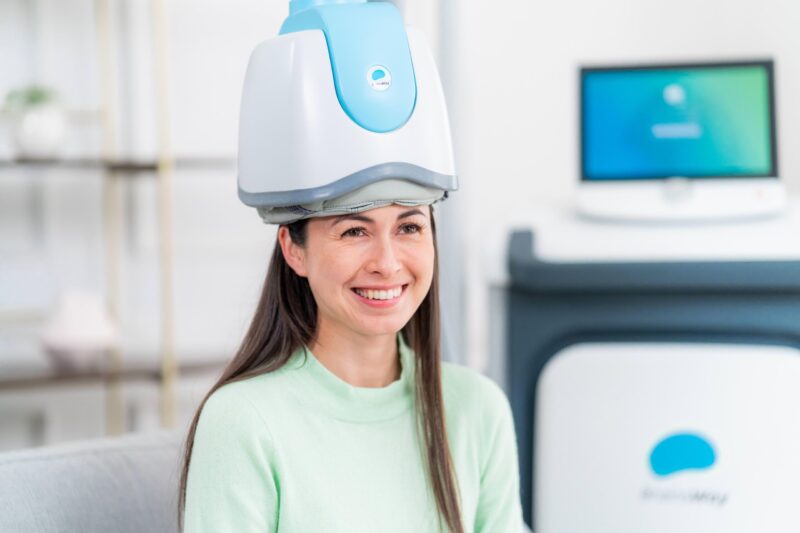
TMS delivers gentle magnetic pulses to specific brain regions involved in impulse control, cravings, and emotional regulation. By normalizing activity in these areas, TMS helps individuals regain balance and reduce dependence on substances or behaviors.
TMS for addiction treatment has shown promise in supporting recovery from:
- Substance use disorder (including opioids, methamphetamine, and prescription medications)
- Alcohol dependence and TMS for alcoholism
- Nicotine dependence and TMS for smoking cessation
- Co-occurring anxiety or depression that often accompanies addiction
Research indicates that TMS can reduce cravings, improve focus, and enhance mood stability — helping people stay committed to recovery for the long term.
How Does TMS Work for Addiction, Smoking, and Substance Use?
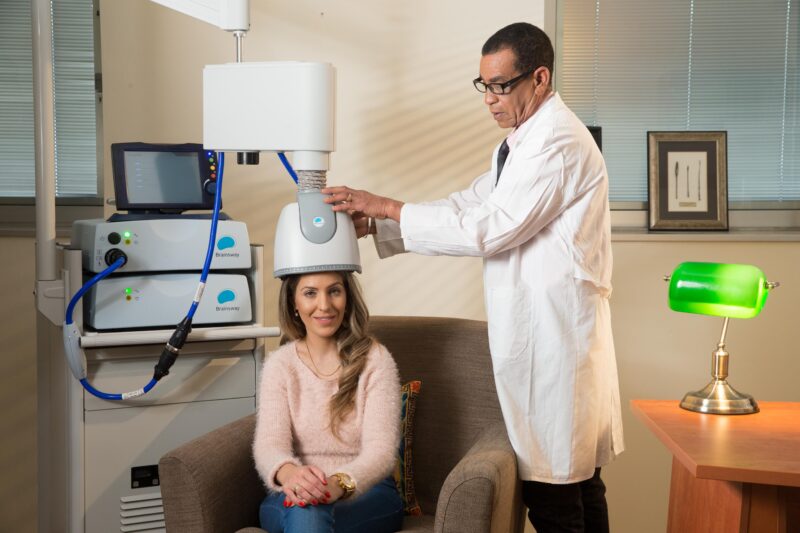
During each session, a specialized TMS device delivers focused magnetic pulses to the left dorsolateral prefrontal cortex, a brain region often underactive in individuals with major depressive disorder. These pulses encourage the formation of new neural connections and help reestablish normal communication between brain regions involved in mood control.
Over time, this process helps “retrain” the brain, leading to meaningful improvements in mood, focus, and overall well-being. Many patients experience lasting relief after completing a full treatment series.
How TMS Complements Addiction Treatment at Camelback Recovery
Traditional addiction treatment programs often combine therapy, medication-assisted treatment (MAT), and behavioral interventions. TMS for substance use disorder complements these methods by directly addressing the neurobiological imbalances linked to addiction.
Key benefits of integrating TMS at Camelback Recovery include:
- Medication-free and non-invasive treatment
- Minimal side effects and no downtime after sessions
- Supports emotional balance and impulse control
- Enhances the effectiveness of therapy and recovery programs
Call (602) 466-9880 or visit admissions to speak with our team about how TMS can be part of your personalized recovery plan.
The TMS Treatment Process at Camelback Recovery
At our luxury addiction treatment center, your TMS addiction treatment plan is tailored to your specific needs, history, and recovery goals. Here’s what to expect:
1. Initial Evaluation
Our clinicians perform a detailed assessment to determine if TMS treatment for addiction is the right fit for you. We review your medical history, substance use background, and any co-occurring mental health conditions.
2. Brain Mapping and Calibration
Using advanced targeting technology, we identify the precise brain regions linked to cravings and decision-making, ensuring that stimulation is comfortable and effective.
3. Treatment Sessions
You’ll visit our Phoenix clinic five days per week for 20–30 minute sessions. Most treatment courses last between 4 and 6 weeks. No sedation or anesthesia is required, and you can return to normal activities immediately after each session.
4. Ongoing Monitoring
Throughout your TMS treatment, our clinicians track your progress, measure symptom improvement, and adjust settings to ensure optimal results.

TMS for Alcoholism and Smoking Cessation
TMS treatment for alcoholism and TMS treatment for smoking work by targeting reward pathways in the brain, reducing cravings and the satisfaction derived from alcohol or nicotine.
By rebalancing dopamine activity, TMS helps individuals manage urges more effectively and sustain long-term abstinence.
At Camelback Recovery, these therapies are offered as part of an integrated treatment plan, combining neurostimulation with therapy, relapse prevention, and emotional support.
Step-by-Step Process
Initial Consultation
Comprehensive evaluation to confirm eligibility for TMS and review previous treatments.
Mapping and Calibration
A technician determines the optimal target site and magnetic strength unique to your brain.
Treatment Sessions
Most patients complete 30–36 sessions over 6–8 weeks, with each lasting about 20–30 minutes.
Progress Tracking
Weekly check-ins monitor your mood and adjust treatment parameters as needed.
Safety, Side Effects, and Clinical Evidence
Transcranial Magnetic Stimulation for addiction is FDA-cleared for depression and has shown strong promise in clinical studies for treating addiction and related mood disorders.
The most common side effects include:
- Mild scalp discomfort or tingling
- Temporary headache during early sessions
There’s no sedation, memory loss, or cognitive impairment associated with TMS, and it’s considered one of the safest brain-based treatments available today.
Before starting treatment, our clinicians review your medical history to ensure TMS for addiction recovery is safe and appropriate for you.
Insurance Coverage and Accessibility
Many insurance providers now cover TMS therapy for mental health and addiction-related conditions, especially for individuals who haven’t found relief with traditional approaches.
Our administrative team simplifies the process by verifying your coverage, submitting documentation, and assisting with pre-authorization.
Verify your insurance benefits or call (602) 466-9880 to learn more about coverage options and payment plans.
Find Freedom from Addiction with TMS
If addiction, smoking, or alcohol use has taken control of your life, Camelback Recovery offers a new way forward. Our TMS for addiction recovery program combines advanced neuroscience with compassionate care to help you reclaim your health, balance, and future.
Call (602) 466-9880 or visit admissions to get started with TMS therapy today.
Serving individuals throughout Phoenix, Scottsdale, Mesa, Chandler, Gilbert, Glendale, Peoria, and surrounding communities.
FAQs: TMS for Addiction Recovery in Phoenix, AZ
TMS for addiction recovery is a non-invasive therapy that uses magnetic pulses to stimulate brain regions involved in cravings and impulse control, supporting long-term sobriety.
Yes. Studies show that TMS for drug addiction and TMS for alcoholism can reduce cravings, improve mood regulation, and enhance overall recovery outcomes.
Yes. TMS for smoking cessation targets the brain’s reward system to reduce nicotine cravings and withdrawal symptoms.
Yes. TMS is FDA-cleared, drug-free, and well-tolerated. Side effects are mild and temporary, such as scalp tingling or brief headaches.
Most people begin to notice changes within 2–4 weeks, with continued improvement over the treatment course.
Coverage varies by provider. Our team can help you verify your insurance benefits and discuss affordable options for care.